There is a common misconception among the general public that dopamine is the pleasure and reward hormone. And while it is true that it plays an essential role in the reward system (instant gratification) – a group of brain processes that control motivation, desire and cravings – it is actually more complicated than that.
To be precise, dopamine is the neurotransmitter of anticipation, specifically anticipation of reward. For all intents and purposes, it can effectively be referred to, in the words of Dr. Andrew Huberman, “the molecule of more.”
“It’s rarely about complete presence and the desire of staying present, it’s usually about the desire for more,” he says.
I’ve noticed it is about anticipation and craving, looking to the future much more than enjoying the present, no matter how good the current indulgence. When caught in the throes of a dopamine fixation, I can’t be mindful of or enjoy the present because my mind is always on what’s coming next.
When trying to engage in a task, it’s impossible to focus because some stimulus you have an obsession over has its fangs in you. My level of dopamine addiction even got so bad I could be balls deep in a breakfast taco or some fried eggs, and already be thinking about the next course, or worse, how dessert was going to be. This is indicative of a severe carb (sugar) addiction.
Mindfulness and (Spatial) Memory
When a severe case of sensory overload like this occurs, your brain doesn’t process impressions experiences/events because it’s less than 100% (in some cases much less, depending the severity) present, and it becomes much more difficult to recall those occurrences later on.
Thus, it effects spatial memory, which is your relationship to space. Spatial memory is required to navigate through an environment, and to recall the location of an object or the occurrence of an event.
The ironic thing is, generally speaking, dopamine improves memory, by activating the learning mechanism of the brain. If released when learning something, it will help you recall it at a later date. Paradoxically, however, I would like to posit that, in many instances, excessive dopamine release or addiction has the opposite effect, for a few reasons.
Indecision also can be largely responsible for this phenomenon, generally brought on by some dopamine trigger, like for example, fantasy sports. Endlessly ruminating between two choices, which may or may not even have an impact in the long run will cause you to be less than fully engaged in the present, missing occurrences of events as they unfold.
Agonizing between two alternatives also can have actual physiological implications on memory. It will almost certainly result in emotional stress, which, in itselfhas a negative effect on memory retrieval.
Even infatuation or indecision surrounding a stimulus not traditionally thought to be a dopamine trigger, like constant preoccupation over diet, or minute-by-minute monitoring of your stock portfolio can cause this agony, stress and memory impairment.
All of this cognitive baggage or attachment is contradictory to my personal ethos of “finesse life” – which is predominantly about being present – and can create chronic emotional stress (flight-or-flight), which often leads to physical or structural stress.
In his 1956 book, The Rape of the Mind, Dutch psychoanalyst Joost Meerloo described how technology makes it difficult to appreciate and interact with the natural world by which we are surrounded:
Modern technology teaches man to take for granted the world he is looking at. He takes no time to retreat and reflect. Technology lures him on, dropping him into its wheels and movements. No rest, no meditation, no reflection, no conversation – the senses are continuously overloaded with stimuli.
Joost Merloo, Rape of the Mind
Even just the simple ping of a notification on a device can easily break your engagement or engrossment. The natural world is so full of wonder that I just choose to be as fully engaged as much as possible.
Essentially, being externally focused on sensory stimulations (in this case, on technological stimuli) deprives your mind of downtime to take mental inventory, recharge, reflect, and consolidate your experiences or impressions, making it more difficult for them to be recorded in your memory and retrieved at a later time.
I’ve already written on how a fixation (no matter what the object or subject) can impact your relationship to your surroundings, with respect to budgeting or cost-cutting in particular, so I’ll save my breath. Just know that there are implications beyond a mere loss of control of your thoughts… which in itself can – you guessed it – contribute to the stress response and an overactive amygdala.
People with OCD frequently perform tasks, or compulsions, to seek relief from obsession-related anxiety. A relatively vague obsession could involve a general sense of disarray or tension accompanied by a belief that life cannot proceed as normal while the imbalance remains.
These symptoms can lead to a chronic stress response. A sense of control or predictability can alleviate stress and its symptoms.
In addition to experiencing the anxiety and fear that typically accompany OCD, sufferers may spend hours performing such compulsions every day. In such situations, it can become difficult for the person to fulfill his or her work or family and social roles. Or simply to pay mind to other things in your periphery.
While in most cases of OCD, the obsessions and compulsions are an outlet for alleviating anxiety and tension, a fixation or infatuation with something can easily also become an addiction to a dopamine trigger.
“The more time we spend on social media, clicking on different links, the more our attention is hijacked via dopamine. This keeps us from being involved in a much more satisfying activity, such as connecting with other people, which would release the more nutritious neurotransmitters and substances like our internal opiates.”
Neuroscientist Nan Wise, PhD
Internal opiates like serotonin.
Research has – not surprisingly – found low serotonin-binding in specific brain areas among people with obsessive-compulsive disorder (OCD) and social anxiety disorder.
This ‘wholesome’ neurotransmitter typically causes the individual to look inward to find satisfaction, in contrast to dopemine’s externally-focused state, typically resulting from some material (external) stimulus.
Serotonin’s Role in Combating Attachment
Serotonin, on the other hand, is involved in expressing gratitude for what we already have, contributing to our immersion in the experience of the here and now in a full and complete way. It can effectively be viewed as the “happiness hormone.”
“Serotonin tends to be known for its effects on our mood,” says Dr. Wise. However, “serotonin impacts every aspect of our body from our emotions to our motor skills, digestion, modulates the sleep part of the sleep/wake cycle, impacts our metabolism, appetite, concentration, hormonal activity and body temperature.”
Contrary to dopamine, which is produced and resides in the brain, 90-95% of serotonin is housed in the gut. Thus, it is foundational in regulating digestion, metabolism and appetite.
And though dopamine does plays a role in the digestive system, it’s nowhere near the extent to which serotonin does. Dopamine stimulates hunger when levels fall too low, and regulates the release of insulin from the pancreas, while, conversely, serotonin suppresses hunger, specifically cravings for carbs.
If you’re familiar with the phrase, “the gut is the second brain,” then it should be no surprise to learn that serotonin is also pivotal in monitoring mood, focus, calmness and anxiety.
Serotonin’s calming effect can help prevent getting caught up in impulsive behavior, in contrast to dopamine’s reputation for being an energizer.
In fact, serotonin inhibits impulsive behavior, while dopamine enhances impulsivity.
“In some cases, serotonin appears to inhibit dopamine production, which means that low levels of serotonin can lead to an overproduction of dopamine. This may lead to impulsive behavior, due to the role that dopamine plays in reward-seeking behavior.”
Healthline.com
Both of these facts are clearly a beneficial thing in terms of carb or sugar addition, but also in the larger context of dopamine addiction or material fixation. Serotonin seems to be an effective method to decrease dopamine overstimulation.
Taking these considerations into account, here’s a few techniques you can use to decrease your reliance or tendency to focus on external stimuli (dopamine), and boost serotonin.
How to Decrease Dopamine Dependence (and the Chronic Stress It Causes) and Increase Serotonin
An excellent way to rid yourself of attachments is through – you guessed it – meditation. Specifically, the Sajah Marg or “Heartfulness” meditation system.
While meditation in general will cause you to look inward, and bring your attention to when you are fixated, this specific system is almost designed to purge one’s disposition towards dopamine overstimulation.
One of the main focuses of this practice is to clean the mind (and spirit) of “impressions” gathered through thoughts, intentions or actions. In Indian philosophy, these “imprints” are known as samskaras, and solidify deeply in one’s mind.
These impressions typically come to fruition in the individual’s mind, taking the form of expectations, circumstances or a subconscious sense of self-worth. Samskaras then manifest outwardly as habitual tendencies, impulses and dispositions.
“In ancient Indian texts, the theory of Samskara explains how and why human beings remember things, and the effect that memories have on people’s suffering, happiness and contentment.”
Wikipedia
Heartfulness practice includes a relaxation meditation, cleaning (or rejuvenation), heart connection and prayer/affirmation. The cleaning of samskaras is unique to this method.
Other than meditation, the best way to combat a dopamine addiction to a particular stimulus is to derive dopamine from stimuli other than the one you have become fixated on. So rather than inhibiting dopamine from a material fixation, you are increasing it, but from other less intense sensorily stimuli.
These sources include:
Exercise
Doing something rewarding (volunteering, checking something off a to-do list)
Diet: foods high in tyrosine (avocado, bananas and almonds, though I don’t recommend because of high glyphosateand oxalate content)
Vitamin D, especially upon waking in the morning (20,000 IU recommended, as much obtained naturally from sunlight, food as possible before supplementing)
Fasting, both intermittent (at least 16hrs, ideally 20+) and periodic prolonged-period ( >36 hrs)
Additionally, you have the option to look to serotonin to supplement your well-being, and hamper dopamine overproduction, as mentioned before.
In the words of YouTube-famed Stanford psychology professor Robert Sapolsky, “whatever it is you are perseverating [obsessing] over like mad can be diminished by increasing serotonin signaling.”
Increasing Serotonin
Many of these suggestions are also recommendations for increasing dopamine, so this may seem counterintuitive. But keep in mind, the idea is not to stop dopamine signaling altogether, but rather the overproduction of the hormone. What we’re looking for is an equilibrium between these two beneficial neurotransmitters.
Try these suggestions to boost your serotonin levels:
Exercise (improves conversion of tryptophan to serotonin)
Tryptophan supplements (an amino acid which converts to serotonin, take on empty stomach so other proteins don’t compete for uptake)
Sun/vitamin D (also improves tryptophan’s conversion to serotonin)
Probiotics and fermented foods like kimchi, sauerkraut, and kefir to improve gut microbiome (the gut makes serotonin)
Cortisol release is associated with dopamine receptor overstimulation, and anything that boosts cortisol will inhibit serotonin
Levels are highest first thing after waking, so flush cortisol by getting a few minutes of bright light exposure – ideally sunlight (vitamin D) – first thing in the morning.
For a long time, I had prided myself on my thriftiness. If you’re familiar with the blog, you probably have come across a post or passage somewhere that is specifically about or at least mentions frugality, finding value or supporting independent business.
Up until recently, I thought my tendency towards penny-pinching was to the benefit of more than just myself, to society; by only shelling out for essential items, or finding the best value when “splurging,” I could use the savings to give freely or tip those deserving or in need. And by boycotting corporate establishments I viewed myself to be doing my part to at least postpone the impending/inevitable takeover of corporatocracy.
However, recently I’ve begun to see how my beliefs, thoughts, and actions may actually not be promoting wellbeing, and may, in fact, be detrimental on a personal level, and even to that of society at large.
I recall hearing some of the best advice I’ve ever received from one of my former college professors, though I’ve since heard different iterations often throughout the years. Basically, it’s that the key to life is finding balance. A different, common way to express the philosophy is “everything in moderation.”
When you become overly preoccupied with anything – in this context, cutting expenditures – it can easily turn into an obsession and throw your whole world out of balance.
I’m talking, like, constant mental capacity expenditure on things like onion, dish soap, or cooking oil consumption-status.
Or even, to take it to an extreme, fixation with water or paper (napkins, TP) usage.
For example, I allocated a good additional one hour-plus the other day to search out a box of black tea (to use for kombucha-making) in order to find one which was cheaper than the first one, which after much effort, I had finally tracked down. The grand total in savings came out to be $1. Which begs the question, how much is your energy (time and mental expenditure) worth?
Like, is it worth spending an hour for the sake of saving $1? When I received the insight that this was what I was doing, it didn’t take me much thought to come to the conclusion that no, it is not. Even from just the standpoint of my time being worth more than $1/hour, never mind mental capacity or peace of mind.
And once you begin conditioning your mind towards the tendency to factor cost and conservation into everything you do, it’s a damn slippery slope. Always thinking primarily about money in all your undertakings will result in an overactive sympathetic nervous system, and eventually cause you chronic stress.
With each precaution I took to cut costs, I told myself that I would be more justified in splurging later on something I really needed, but that very seldom turned out to be the case. I would often feel guilty after purchasing those luxury goods, or the anxiety that came over me when looking at my (virtual) cart or standing in the aisle would be enough to persuade me not to buy in the first place. In both instances, I would often feel buyer’s remorse, and the scenario would keep playing out over and over in my head.
As a matter of fact, attachment to a stimulus – be it a thought, conviction, or an object – will cause you to miss many of the intricacies of the rich tapestry of life experiences, as you tend to only fixate your awareness on the stimulus your mind is attracted to. You can think of it like tunnel vision, in which you are missing all the bountiful, pleasant surroundings passing around you.
You can effectively view your thoughts as something that is projected onto a blank space—the projector screen of your mind. When a thought arises it is projected onto that space just like a movie playing out in front of you.
Your ‘awareness’ is the part of your mind that is watching that movie/projection, observing the objects that are arising on that blank space, which are your thoughts.
It’s crucial that you become cognizant of or develop the ability to distinguish the difference between the part which is watching, and the component which is being watched.
Damo Mitchell, an expert Qigong practitioner and director of the Lotus Nei Gong School of Daoist Arts, explained this concept – of the mechanisms of the mind and your ability to recognize the distinct components – lucidly in a recent podcast of his that I heard.
Delusion occurs when you only understand yourself in relation to the objects you are looking at. Delusion is based upon thinking a feeling exists independent of your awareness. For example, if you have a feeling of anger, and you believe that anger to be something that has a validation or reality to it, you will believe it is a thing, rather than simply your awareness starting to become sucked into something it should be observing. And as soon as that delusion takes place, you get a consolidated thought, something that can be clung to, something that can create a kind of attachment.
Thoughts come and they go. They’re not independently existing, they only exist as a reaction to the sense faculties.
I hate to keep deferring to this as the answer, but meditation is probably the best method I’ve found to come to this realization of thoughts and feelings being distinct from your awareness, and to combat the condition of chronic attachment to a stimulus. It doesn’t need to be any form of meditation in particular, so long as you are allocating your awareness to the breath.
The rising and falling of the breath is a literal, physical manifestation of impermanence, while fixation on or grasping to a stimulus is the desire for permanence in the figurative, intangible sense.
It (meditation) allows you the ability to identify your thoughts and feelings, attractions and impulses, and recognize how they are separate from the self.
Meditation helps with this because it removes attachment. Attachment in the sense of state of mind, not necessarily attachments to the material world. Meditation provides a vehicle by which this attachment can start to be eradicated. It allows you to see the mechanism of how your mind works, and, in the words of Damo Mitchell, your “over-identification with a thought process you have been deluded into thinking exists independently and is not based upon causation, which you start to attach to once you have given it these kinds of qualities.”
Ramifications of Fixation on Budgeting In Particular
Preoccupation with frugality specifically will also likely turn you into a greedy MFer, as occurred in my case. I have noticed it led to me prioritizing my own self-preservation over helping to improve the financial standing of others, most importantly, those in need, which ironically, was a large part of the rationale for why I was trying to cut costs in the first place.
I’ve already gone into depth on the decision between giving money, food or time, so I won’t rehash my sentiments much here, but I’m more a believer of lending a hand than lending financial means. I just think that generally, donating my time, energy or possessions is more beneficial to both parties than offering money. But I find generosity and giving to be paramount to wellbeing and a crucial component of leading a balanced life, so there are certainly instances where I will give in the form of cash, usually in instances of tipping service workers.
Not that I would necessarily back down on my morals after this obsession with cost-cutting had become more pronounced, but I became less inclined to tip service workers, offering a meager 15-20% gratuity only in instances when I felt the service was truly impeccable (in contrast to tipping out of principle in the past). Often I would even go out of my way to limit the responsibilities of the employee in order to justify my stinginess. For example, I would consolidate and stack dirty dishes and food scraps, and napkins orderly on the table once I had finished my meal.
I also began to catch myself – in the figurative sense – stepping over others in pursuit of my own self-preservation.
Looking to my time working on a cannabis farm in California as an example, I can see how self-interest manifested in work life. Because I wasn’t making much money trimming, I wanted to get the best buds from the bin as possible, fuck ’em if that just left small scraps for everyone else. Even though I was actively trying to get faster, I prioritized myself over everyone else, instead of simply taking personal responsibility and making it a top priority to be more mindful, focusing on what I was doing rather than everyone else. The increased presence would allow me to be more efficient and faster with my cuts, thus bolstering my earnings.
Once again, meditation practice can help with this by improving concentration and focus, and bring your attention to the fact that your thoughts and feelings have gotten the better of your awareness.
Give a man a fish and you feed him for a day. Teach a man to fish and you feed him for a lifetime.
Chinese proverb
This is an age-old idiom, but is still around today because it rings true, especially in the COVID era, at least in the part of the world where I’m currently located.
One of the most hotly-debated questions which was recently asked in the Expats Oaxaca Facebook group I’m a part of, was the following:
And though it’s not exactly the same context/scenario as the idiom, it is actually quoted specifically in one of the responses. Which, in full disclosure, I was unaware of until I started writing this post.
You can tell by the volume of responses that many people are passionate about this issue. For your reference, I have never seen 50 responses to a post in this group. Generally, even more than 10 would be an outlier.
However, a lot of the comment are non-sequiturs, either mentioning that peanut butter is largely a foreign concept to locals, and is probably not advisable as a snack, or calling out the original poster for using the term, “beggars” rather than “the hungry”.
And even though I know the terminology is not PC, in reality, this is what they’re doing, regardless of your stance on how the hungry should be identified, or degree of “sensitivity training” you have.
Fortunately, some commenters allude to the bigger picture, and commend the guy for at least making an effort, or recommend buying food that is more familiar to donate, and from local vendors – rather than supporting corporate-ocracy through buying peanut butter packets from Wal-Mart, and compounding the issue at hand – a suggestion that I am fully in favor of.
Another popular suggestion which leads to the central debate of the thread (as well as this post), is to offer money to those asking, instead of food.
“If People Wanted Food, They’d Ask For It.”
As money is typically what people on the street with their hands out are actually asking for, many in the thread advocate for giving that to those asking, rather than food. A lot of people seem to think it is most advisable to respect the recipient’s wishes, and offer what they are asking for. However, there are several reasons why I view donating money as the least preferred form of assistance, though I do tend to do it from time-to-time.
First, food is essential. Really, the third-most basic necessity after air and water. And when your stomach in nourished, you can allocate what little savings you have to other, still-important but lesser physiological needs, like shelter and clothing (warmth, rest). Also, that money may very well be utilized more efficiently in this instance, as peanut butter and bananas should provide the sustenance in the form of fat, protein and fiber to keep your stomach satiated for a longer period of time than say, a bag of chips would; an item likely to be a go-to item for someone who is on the street hungry.
Second, there is also no guarantee that your contribution will benefit those asking, regardless of if it is a child, adult or family. As an outsider, you have no idea the actual circumstances surrounding the reason that the family or individual is on the street.
In a lot of instances, it may seem apparent on the surface, for example, if the person is a paraplegic or amputee, or seems to be suffering a mental health crisis. But, as sad as it can be, the truth is that what you actually know is derived solely from the appearance of the situation, as you aren’t privy to the events that unfolded which got them to such dire circumstances.
In Latin America, Europe or Asia, there are often other factors at work, which aren’t as prevalent in Canada or the United States. Primarily, organized crime that employs methods of exploiting the disenfranchised – in particular, children – to generate wealth.
These children are often trafficked at first for the purpose of organized begging, only to later be trafficked in sex services or other servitude when they come of age, and the emotional appeal of youth has worn off.
It is also not entirely uncommon for parents in developing nations to exploit their children for the sake of income.
For example, it was reported that in China adults force street children to beg, and sometimes break their arms or legs to evoke more pity. It is thought that such individuals can earn US$30-40,000 per year by forcing children to beg (US Department of State, 2008).
A study in Cambodia suggests a shift in recent years away from trafficking gangs recruiting children for begging towards parents using their children for this purpose themselves. This is attributed to a fear of abuse by the traffickers and to parents learning the routes commonly used by traffickers and thus no longer having to rely on third parties (IOM, 2004a).
Perhaps the most common argument against giving money is often, “what’s to stop that person from going out and spending what they’ve made ‘panhandling’ on drugs or alcohol?”
And while it is very unlikely a matter of drug addiction in the case of an entire family hustling together on the street, or a disabled person, this is not an entirely absurd question to pose. Obviously, substance abuse and addiction is quite common among the hungry, either as the catalyst to what led them to the street, or as a retroactive coping mechanism once they were already in the situation.
Often times, drug dealers or gang members will get children hooked on drugs and indebted, and will not provide them more drugs or settle their debt until they bring them more income from panhandling.
And though, as a lot of the commenters on the thread are correct in contesting, “it is far more common to find children who are pushed into begging by their circumstances and their need to survive than who are forced by others through violence or coercion,” according to the Anti-Slavery group’s Begging for Change report, you still may be doing more long-term harm than good, with respect to the fact you are an outsider to the situation.
This brings me to my final and most important assertion: By giving money, you are contributing to systemic poverty, or at the very least, applying a bandage to the wound of systemic inequality; a temporary solution to a longstanding problem.
In this sense, you are taking reactionary measures which create a temporary solution, rather than alleviating the root cause with a permanent fix.
This is the textbook example of the idiom, “give a man a fish, he eats for a day; teach a man to fish, he eats for a lifetime.”
Education Is Key to Alleviating the Underlying Cause
Here I intended to articulate my opinion on the matter, but one commenter with a similar outlook already did it very eloquently in the thread. And since he conveyed his thoughts so beautifully, much more than I will be able to now, after reading his prose, I’ll allow him the floor:
Obviously, giving money is a lot more low-involvement than educating or teaching a skill to someone, or even than giving food, for that matter. Which, I think, is a big part of the reason why most people who are legit hungry ask for the money rather than food. It is more formal and less intimate than asking for food, and doesn’t necessarily result in a common bond (empathy) like donating food does.
So, while in light of this, giving food should be the preferential route, I view it to be the lesser of two evils, because in the end, you’re still not providing a lasting solution to the problem.
To ask for or give food to someone requires an interpersonal connection on both parties. And teaching someone something requires both a connection and a commitment of resources from each.
The issue is – as stated in the comment above – that these things take time. Like, a lot of time. It took a long time for things to unravel to the point they have, and will likely take decades to correct, even if society took it upon themselves to begin today.
Nevermind correcting century-old flaws in government or cultural conduct, simply teaching an individual or family sustainable living practices or nutrition can be a day or weeks-long undertaking. Obviously, it doesn’t provide the type of instant relief that giving in the form of money or food does, and also requires more commitment on the part of the donor, which charity does not require. But as the commenter said, someone has to start.
And those somebodies should be the more privileged among us, like for example, American expats. The ones who often take this type of basic education for granted, or are oblivious to the fact it isn’t conventional wisdom in lesser-developed countries.
Obviously, you can’t teach your special area of expertise or one of the skills in your toolbox to everyone you pass on the street with their hand out. But there is power in numbers. And the more people that are willing to take it upon themselves and help even just one individual, the sooner humanity will resolve this human rights issue.
My goal was to detox; to break free of my addictions and rebuild my body and cognitive function. I thought that two months in the mountains – removed from toxicity and other distractions – would revitalize my mind, body, and spirit. I was eager and enthusiastic to finally set out on the path I had intended to travel earlier this year, but had failed to venture too far down due to a lack of willpower and perseverance.
However, things didn’t exactly go according to plan. The lack of amenities and basic comforts – and persistent exposure to the elements – in tandem with 10-12 hour workdays, had the opposite effect from what I had envisioned. Instead of progress, I had (what I deemed to be a very apparent) regression, in the form of mental and physical decline while on the farm.
The emotional stress I experienced – from general work anxieties and inconsistency between my plan of attack (expectations) for the trip and my actual trajectory (or lack thereof) – manifested in the form of structural stress; knots built in my shoulder and neck muscles from tensing up, and thinning hair, weight loss (but FUPA gain), a hemorrhoid flare up (presumably from stress) and psoriasis of the face all began to manifest within several weeks of being there.
There were several variables that prevented my hoped metamorphosis, and ushered in the downfall of my emotional wellbeing and physical state, but inconsistency between my vision (plan) and my conduct or course of action was undoubtedly the largest contributors to what resulted in anxiety and discontentment.
I had formulated a plan that encompassed continuing my daily routine as well as adopting some new, more favorable habits in exchange for a few old, detrimental ones which had become engrained over the years. But events didn’t exactly unfold in the way I had envisioned, leading to a disconnect between expectation and reality.
Tibetan Buddhist meditation guru Mingyur Rinpoche explains well this phenomenon of grasping to expectation or romanticizing the future in a video on his YouTube channel, entitled The Art of Letting Go. In it, he says,
If you are dead set or overly preoccupied with letting go, it won’t work because you are grasping. The real meaning of letting go is putting faith in the way things are, and accepting impermanence.
One unrealistic expectation which I had set, for example, was the belief that I would be able to coast through life – or at least far enough to get me to the point where I was self-sustaining in my endeavors to make ends meet – on whatever income I would save up from working on the farm. This only set me up for discontent when I came to the realization I wouldn’t be making as much money while there as I envisioned.
Disappointment led to anxiety and preoccupation over having to find a new stream of income at some point in the future, which ultimately resulted in stinginess and overthinking/planning for the sake of cost-cutting.
I would catch myself – in order to compensate for the discrepancy in what I thought I would be earning, and what I would actually walk away with – stepping on the toes of others in pursuit of my own self-preservation (or material vices), even committing petty theft and very rarely, lying (something I had always prided myself on not doing).
For example, self-interest became apparent in work life. Because I wasn’t making much money trimming, I wanted to get the best buds from the bin as possible; not my problem if that just left small scraps for the other trimmers. Even though I was actively trying to get faster, I prioritized myself over everyone else, instead of simply taking personal responsibility and making it top priority to trim faster and be more deliberate with my cuts.
When setting out, I had hoped that, with less options, distractions and toxins, I would free myself of the extreme indecisiveness I had recently accrued as a byproduct of my predisposition towards over-planning, and cut down on my tendency to romanticize future occurrences.
“Permanent Singularity”
While roughing it – albeit in a trailer – I discovered a newfound appreciation for the bare necessities, like electricity and a heat source. But, instead of crushing my vices as I had hoped, my predisposition towards fixations simply shifted the focus of my thoughts towards more primitive or basic sensory stimulations.
Instead of agonizing over which video saved to my YouTube favorites playlist I was going to watch before dozing off (as I had done while still in civilization), my infatuation instead centered around preserving my iPhone battery life (as I didn’t have a power source at night once I left the work site).
I also over-concerned myself with water consumption.
I needed to boil water before bed to have it ready to go for my green tea in the morning—I was able to ditch coffee cold-turkey – for a while, anyway – but not caffeine altogether. I also tried to not drink too much water just before dozing off, in hopes I wouldn’t need to hop down from the heat pocket of my sleeping bag to meet the bone-tingling chill of the great outdoors when nature called.
Mingyur Rinpoche again explains this concept of gratification and dissonance with respect to yearning or desire well—
“We’re always trying to arrange our lives in a way that is pleasant and happy to us, but no matter what, we’re never 100% happy because we’re constantly craving more, materially, emotionally, mentally or spiritually, and because of this we experience pain… So it’s this endless craving and desire that is the root cause of our dissatisfaction.”
It didn’t take long for the snowball effect of craving more and more intense stimuli to roll my simplified, toned-down lifestyle back into one brimming with first-world “needs.”
Once my buddy (who’s arrival I had been eagerly awaiting) got to camp – flush with fresh-ground coffee and a French press – my new morning ritual became moseying outside when I heard the hot water kettle whistling to mooch whatever was left in the press.
Here it is important to understand that humans are creatures of habit, and I in particular fall easily to the shackles of routine. It is fairly easy for me to fall victim to a given of stimulus, and let the groove of a routine come creeping in. Then in no time at all, a more intense stimulus is needed to get the same satisfaction.
“The faster you are able to adapt yourself to change, the less problems you will have.”
Additionally, it becomes very easy to be subdued by habits when you use constant stimulation or distraction as a means to put off unpacking and evaluating the issues that are causing you anxiety because they are preventing you from realizing your vision and true potential. On the surface, my reluctance to start detoxing seemed to be due in part to avoidance of boredom, when in reality, it stemmed from fear of facing my issues head-on.
It is (seemingly) a whole lot easier to use dopamine to put reality out of your mind than come to terms with the source of your agony or depression. However, the longer you delay confronting these demons, the stronger the manifestation of depression, stress and anxiety from this aversion will become.
This calls to mind another passage of Mingyur Rinpoche from the same Art of Letting Go video—
Not recognizing our true nature [enlightened qualities like wisdom, awareness, love, compassion and other skills] is ignorant, and based on the ignorance we have a lot of illusion, delusion and perception of the samsara (existence), so we have a lot of suffering… If you try to transform yourself, the outside obstacles become opportunities, problems become solutions, and we don’t need to find some other solution.
In my case, the “other solutions” being coping mechanisms in the form of substances and distractions. He continues:
“So in the end, what we call poison transforms into medicine, and clashes transform into wisdom. That is what we call self-antidote. The problem becomes the solution, and we don’t need to bring some other antidote, some other solution. Problems are universal, but whether a problem becomes a solution is up to you (the individual).”
In addition to deliberate aversion and ignorance of my issues creating dissatisfaction – as a result of the inability to realize my aspirations or expectations – craving for those vices also strongly contributed to my discontentment. I was settling for enjoyment (fulfillment) in the form of lusting after these material stimulations, rather than fulfillment from sorting my issues to realize my true potential; settling for pleasure (from dopamine) rather than joy from realizing a goal or exceeding some expectation.
In the eternal words of the late, great Zig Ziglar, “You can’t behave in a way inconsistent with how you see yourself.”
When you do, depression and anxiety set it.
The more those material fixations were reinforced, the greater the bondage between them and myself became. As these obsessions become stronger, the more incompleteness and despondency I would feel when I couldn’t satisfy them, or the dopamine release wasn’t as gratifying as I had envisioned.
Sometimes, it got so bad that I would become jealous of others who hedonistically partook in instant gratification of their sensual desires. What’s ironic is that I often wanted to knock family and friends for (what I deem to be) their poor choices or lifestyle, but when I really evaluated the situation, it was usually a form of projecting; judging others for their vices or character flaws when I am far from perfect myself. But, because I have different shortcomings or weaknesses which I deem to be lesser evils, I see myself as the bigger person.
I think my disgust stemmed from envy; covetous of the choices others would make in pursuit of dopamine, as I wanted that stimulation, but prevented myself from pursuing it because I knew better.
Dietary Change Expectations With Respect to Adaptability
As I mentioned, a big benefit of being stranded in the wilderness in terms of detoxification was scarcity of options. Though I was still overly concerned with my diet and carb timing, since I was more or less stranded on the mountain, and had less options to choose from, I certainly gave it less thought than I used to. However, I still agonized over what foods to break my fast with, and was habitually preoccupied with sufficient daily calorie intake.
The experience reminded me of an interview I once saw with Taoist master Yuan Xiu Gang, a fifteenth-generation disciple of the Wudang San-Feng-Pa lineage in China. Though I’ve gathered many insights from various interviews I’ve seen with this legend, this one was particularly beneficial, and the principle can translate to a variety of contexts.
In the interview, with respect to how the general public views diet and nutrition, he says, speaking from the layman’s point of view, “If I don’t eat, I will lose protein. And they worry about it a lot. You don’t need to worry about this. You need to worry about how to lose fat, not about how to eat,” in order to really benefit your health.
One of the biggest advantages of the keto diet is that the practitioner needs to spend less time thinking of what they will eat for a meal, since they should, in theory, be able to go longer periods of time without eating (ketones, fat satiation), or at the very least suffer from cravings for sugar or carbs less often.
However, the way things stand, it was almost the inverse, or at least that’s what I found for myself – though I may be more of an over-thinker than the average person. But I would often stress over if I cut myself off from eating early enough that given night, in order to achieve an adequate fasting window.
This maxim really hit home for me when I first heard it, but I seemed to have let it slip from my mind since, as I learned more about fasting and the ketogenic diet. There is so much content out there surrounding these in vogue dietary practices it is extremely easy to miss the forest for the trees, and end up expending more thought and energy than what is required in order to realize the benefits.
Even just the expectation I had for a given fast or the meal I would break it with would lead to discontentment when it wasn’t as fruitful – or the carbs as satisfying – as I had anticipated.
Again, Mingyur Rinpoche illustrates this concept – of the mind grasping – very eloquently in that same YouTube video of his that I saw:
When your expectations are too great, you only see problems; your mind is too tight. You will fail to see the positive, and never be fully satisfied.
Matching a lot of expectation [or fulfilling an endless list] is impossible, and leads only to experiencing disappointment.
The preservation of the self – in this case, taking the form of a lifestyle (diet) – can easily become an infatuation in which the practitioner trivializes minute details, as was evident in my case. And when these little preoccupations don’t go as planned, you’re that much more likely to suffer depression because of how much mental energy you expended romanticizing over it.
One can also view this principle in the context of trimming during my time on the farm.
When applied to this situation, rather than expending mental capacity worrying about how much of the good buds were left in the bin, and if I would have the chance to get another tray full before we moved on to the grosser stuff, I would have better served myself (and others) by simply concentrating on what I had in front of me, and thus trimmed faster because of that extra focus.
Again, just being mindful (present) becomes more fruitful than worrying over the future and self-preservation.
Preservation of Material Possessions
You see, addiction to distractions or material possessions usher more (unnecessary) thoughts, which fracture the mind and prevent concentration and mindfulness. The more “things” you own, the more you will be preoccupied with their maintenance, and the more mental and physical energy expenditure you will need to exert for their preservation.
Simple ownership of the car that my grandfather had so generously donated to me in the summer brought with it the stress and anxiety (and expenses) that I had anticipated, which only reinforced my sentiments and affirmed why I had not owned a car for several years prior.
The car was in excellent condition when I received it, and with less than 35,000 miles under it’s belt I vowed to take care of it to the best of my ability. But, within weeks, there were numerous scratches, dents and drive performance/functionality issues which all seemed to be outside my realm of control.
You may be familiar with the phrase, “a car loses 30% of its value the moment you drive it off the lot.” And while this saying may not be totally factual, it certainly carries some weight.
This is an inherent quality of ownership: energy expenditure. Maintaining the condition of physical goods requires a lot of thought, labor and financial means.
For example, recently I noticed that rust spots had begun to develop on the back of my car. And as it is winter, a salty film had begun to build up on the exterior. I failed to get a car wash in the first few days after the roads were dry again, at which point I decided to wait until after the next (pending) snowfall to get a wash. However, the anxiety I experienced knowing my car was sitting there slowly corroding – and thus its value diminishing – was enough to give me an ulcer.
Just as physical ownership of material goods requires additional thoughts and attention, and as a byproduct, results in emotional stress, fixations on dopamine-releasing stimuli also contend for your mental and physical resources. They cause unnecessary emotional turmoil in addition to costing you time.
Fantasizing on how an ice cream or a smoke break will sooth your craving can often lead to disappointment when the vice doesn’t – for whatever reason – turn out as you had imagined, and satisfy your urge like you thought it would. And on top of the emotional strife, you spent all this time anticipating and romanticizing the future, instead of just being in the present.
I would love to have back all the seconds, minutes, and hours I spent walking to a bakery in order to get my sugar fix, or all the mental capacity I expended in pursuit of other addictions—like nicotine or simply obsessions like carb-timing.
But unfortunately, I can’t—and dwelling on that would be a waste.
Each of us has only a finite amount of time and resources on this planet, and the older I become, the more I realize how sacred they truly are. Life is too short to spend it painfully mulling over insignificant little details, or preoccupied with material, sensory fixations.
For a good three-month stretch while living in Oaxaca, I was getting by on less than $10/day. This was possible largely by cost-cutting, in the form of:
Paying for a room by the month
Volunteering minimal hours at the hostel to receive an additional discount
Cooking rather than eating out most days, and when I did eat out, it was somewhere with an extremely good value and would often be my only meal that day.
Not drinking (much) alcohol, and when doing so, being economical about it.
However, all good things come to an end. My hostel decided to implement new rules regarding COVID protocol after a guest was rushed to the hospital in the middle of the night. I still never found out definitively if COVID was the culprit, but regardless, use of masks in all public spaces would now be enforced for all guests (and staff), as well as either proof of vaccination or submitting to bi-monthly antigen testing.
Getting tested twice a month would really only set me back about an extra $26 every 30 days, which meant a private room there would still be cheaper than all the other alternatives I knew of. Or even better, chances were good I could pretty easily photoshop a certificate of another guest indicating negative results. It wasn’t primarily about the money (for once). It was more out of principle that it was time for me to move on.
I had already been getting restless as I grew more frustrated with little, first-world inconveniences at the hostel. Spotty wifi, the location of my room – which was situated between the kitchen and showers, creating a bit of late night/early morning noise disturbance – and inconsistent kitchen space and cooking utensil availability due to sporadic stove-function, lack of common courtesy and “too many cooks in the kitchen” only compounded my irritation. The new Covid guidelines were the icing on the cake in motivating me to vacate.
Though I was sad to see this ultimate value go, I sensed good things were on the horizon. It was unfortunate, as I had been paying forward the savings I’d been accruing because of the low cost of rent in the form of gifting (usually different foods I’d fermented), tipping service workers, and just supporting local artisans in general, since I could rationalize paying a bit higher price tag for their hand-produced goods because of my low cost-of-living. However, with my soon-to-be monthly rent increasing to the high end of my budget spectrum, I felt like I would be needing to find different mediums to pay it forward besides strictly financial means, like giving my time and energy. But this is a topic better suited for the follow-up, post-move post. Let’s get down to the nuts and bolts of how I made $10/day a reality.
Lodging Costs
Since lodging generally makes up the lion’s share of most individual’s monthly (or daily) budget, finding a good value for this expenditure is generally what I put the most emphasis on. The first time I visited Oaxaca, I made an astounding discovery in the form of a “hostel” that rented private rooms for 190 pesos/night (~$10), and included weekly maid service. The kitchen and bathrooms were shared.
This was hands down the best nightly rate for a private room I had seen since traveling in Mexico, and the other amenities of the hostel – like complimentary, round-the-clock coffee, several rooftop patios and a 360-degree view of Oaxaca city and all of the surrounding mountain ranges from the sky deck – made it a no-brainer. Factoring in the discount for a monthly reservation made the deal even sweeter. Paying by the month brought the cost down to 3,400 pesos for 30 days, which equates to a little more than $5.50/night.
From the time I left Oaxaca city after my first 10-day stint there came to a close when my travel partner was ready to move on, I was intent on returning, and having correspondence with the ownership about volunteer opportunities, as the (largely underutilized) space was ripe with potential.
Remote communication with the owner proved to be difficult. Even after returning, it did not become fruitful for the first month or so I was there, as she was only there sporadically, and unresponsive via the Whatsapp number I had been trying to contact her by since leaving town several months prior.
However, I took it upon myself to create my own volunteer opportunities, and begun guiding qigong meditation sessions two evenings per week, which I advertised on publicly-visible chalkboards on the hostels first and third floors, in both Spanish and English.
When I was finally able to have a face-to-face conversation about volunteering with the owner a month later, she conveyed that she had taken notice of my initiative, and would be offering me an additional discount on my monthly rate. I didn’t inquire into specifics, but this was music to my ears.
When I went to settle up the next day, I found out – though I later learned I had miscalculated – she had decided to knock 1,000 pesos ($50) off my rent each month. However, I later discovered that the 1,000 pesos I was credited for the month of July encompassed the two months previous, so the monthly discount was really only 400 pesos, or roughly $20.
But, as I’ve learned, little savings add up, and I was satisfied with the price break and felt fulfilled enough with volunteering two hours of my time each week to continued holding classes, even though it broke down to only about $2.50/hour. Suppose that’s why it’s called it volunteering.
Like I said, repetitive little savings here and there can turn into significant ones. And savings on food and drink, because of the frequency of consumption or purchase, can have a meaningful impact on the bank account.
Food and Drink
Since the hostel offered purified water for guests, and by resorting to only drinking the complimentary coffee offered instead of purchasing it at a cafe, by my estimation, I was able to save roughly another $40/month. $1/day for the coffee, and I probably drank at least about $2 worth of purified water per week.
However, the real considerable savings come when you take food into account. By opting to prepare my own meals myself, either by cooking or simply just eating cold food rather than eating out often, even at the most economical of places, I saved a considerable amount of dinero.
For example, four organic eggs, cooked in butter with some sauteed onion, my go-to breakfast, came out to less than $1. After largely cutting grains and starches from my diet, I would supplement the protein with some fermented vegetable/medley that I had made myself, like sauerkraut or asparagus, which literally cost pennies per serving (not factoring in labor).
Even before the change in diet, I had been having two slices of toasted sourdough bread for my carbs, usually one with a bit of cheese and the other with either avocado or butter. The “all-natural” loaf cost 48 pesos ($2.50) at the dairy shop, and would last me easily over a week, or seven meals. The half-an-avocado I would spread on the toast was probably the most expensive component of the meal, but still cost substantially less than in the ‘States, around 5 pesos (or $.25) for a small fruit. And the manchego cheese I had grown an affinity for was, from my recollection, between 130-150 pesos/kg, or around $3/pound. I always bought a 25 or 30 peso-wedge, which would be generally good for three to four pieces of toast. All-in-all, even when I was eating bread, the total cost of my breakfast was still around or under $2.
In Oaxaca, which had some of the cheapest cost of living that I’d found in Mexico, you would be hard-pressed to find a restaurant offering breakfast for much less than $3, and a lot of what it included would be filler. Juice or coffee, (white-flour) toast and fruit was commonly included in “los paquetes” (breakfast packages), and the eggs were usually a two count of the conventional-raised variety. Basically, lots of carbs and sugar, with a substantial amount of low-quality, grain-fed animal protein. Realistically, as I would be much more satiated after my home-cooked meals than after having eaten out, and would thus eat less later in the day, I was saving probably close to two dollars per day on breakfast alone.
Counterintuitively, going out for dinner – as opposed to breakfast – could be a bit more economical. And by “going out”, I mean mostly eating at food carts or hole-in-the-wall joints. I would generally have a torta (Mexican sandwich with meat, Oaxacan cheese and refried beans) or two barbacoa (steamed beef) tacos, the grand total of which, for either, would be $1. Mind you, I had my regular spots that were among the best values in town (quality and portion size for the price).
A lot of times I would supplement with some plain, whole milk homemade yogurt for dessert to get some extra protein and fat to balance out the carbs, which cost 40 pesos ($2) for about a liter-size bag. Usually I would also stir a serving of chlorella powder into a glass of water to get a bit more nutrients in the mix. The chlorella I had brought from the ‘States, and don’t remember exactly what the bottle cost, but even erring on the liberal side, dinner could be had – and thoroughly enjoyed – for under $2 or maybe $2.50. So the grand total of my daily food expenditure was, on the high end, $4.50.
I did also discover a “best-of-both-worlds” scenario workaround, that involved eating one meal a day (OMAD). There were an abundant number of buffets serving traditional Mexican food (though not specialized to any particular region, from what I could tell) throughout central Oaxaca, all of which cost 60 pesos ($3). My question was, how were these restaurants making money??? I can only conclude that most patrons were not eating nearly as much as I did 😉
I would eat the equivalent of a full day’s calorie intake at the buffet, or likely a higher amount of calories than when I prepared my own food, as all I ate those days was some eggs, a few servings of fermented veggies, yogurt and a sandwich or a few tacos. Additionally, the buffet allowed me to have a greater variety of foods that I was missing out on when I cooked for myself.
Typical offerings at my favorite buffet in Oaxaca
I would always have some cruciferous veggies; steamed leafy greens like broccoli or cauliflower, sauteed calabacitas (zuchini) or poblano peppers and onions, or a plate of romaine with radish and beet slices or just straight up kale. I would also have a few servings of refried or cooked black beans which I used in the breakfast tacos I would assemble at the table, using either scrambled or fried eggs in salsa and homemade tortillas, which were provided to patrons of all the buffets, and most restaurants for that matter. And I always made sure to have at least one bowl of pozole whenever it was available (typically on weekends).
Not Drinking Alcohol, Opting for Organic Tobacco
Really nothing else I have found will set you back in the pocketbook like alcohol will. Even in Mexico this rings true. Yes, beer and wine is generally cheaper here than in the States or Canada—in Oaxaca, craft beer in a bottle or on tap go for around $3-4, and premium domestic favorites, like Modelo or Victoria are about $.75-1 for a 12 or 16 oz can. However, binge drinking incurs costs, and most people I know, myself included, rarely ever stop after just one drink. This vice can easily eat up the majority of a daily budget.
I have since stopped drinking beer altogether for various reasons, at least for the time being. But when I was, I would buy 40s, because most retailers offer a deposit on the bottle if you return it. And if you buy two at the same time, you generally can get a bit of an additional price break. For example, two 40s of Corona cost just under $5 including the deposit, and you get $1 of that back when you return the bottles—just make sure you keep the original receipt.
However, the one downside of this approach is that it all but ensures you will be binge-drinking, as once you pop the top of a 40, the fun don’t stop, so to speak. Unless your idea of fun is drinking flat beer…
The bottle deposit/return technique also works for mezcal, which I developed an affinity for while in Oaxaca. Various mezcal vendors (or producers) are willing to refill a bottle for you if you bring one, and since you are cutting their overhead costs considerably, the savings are passed on to you, the end consumer. My go-to place in the 20 de Noviembre market would sell me a half liter of mezcal they had produced on their plantation for $2.50 a pop. And this would last me nearly a month, as I drink very infrequently these days.
However, one thing I do still consumer on a daily basis is tobacco, though I’m getting closer to the point of being ready to quit. One interesting and counterintuitive thing I discovered about buying tobacco in Mexico, is that it is more economical to buy higher-quality, locally-sourced tobacco than it is to buy the cheaply massed-produced, chemical-filled equivalent.
Unless you were willing to stoop really low, and buy the 15 peso ($.75) packs imported from China (which, in the interest of full disclosure, I would from time to time… ain’t no shame in my game!!) you were looking at about $3 USD per pack for Marlboro, Lucky Strike, Camel, etc.
There were several brand of natural or organic tobacco produced in the state of Chiapas, which borders Oaxaca, that I would buy. In Oaxaca, they cost between $9 and $10 per 30-gram pouch. In Chiapas, you could find these same pouches for $3.50 to $5.
You then need to factor in the cost of filters and rolling papers. I smoked organic hemp papers (OCB, 50-pack) and used natural, unbleached filters (150 per bag), which together cost a grand total of 85 pesos, or a bit over $4, and the filters would last for multiple pouches.
I never really kept an exact tally, but I could pretty safely say I rolled at least 60 cigarettes from each pouch, and probably closer to 80. I rolled at least three cigarettes per day, and a satchel would last me nearly a month. I would finish off a whole 50-pack of papers between one pouch, so I knew one would allow for at least that much at the bar minimum.
Because of the additional effort required, and the better quality/slower burn of the tobacco, I think I would also smoke less frequently and take less drags than if I were smoking conventional cigarettes. I can say with the uttemost confidence that one pack would not last me a week, and with the cost of the cigarettes alone hovering at or above what it cost to buy organic ($9/three packs), it was a no-brainer for me to opt for a healthier, better-tasting product.
So there you have it. My synopsis of a multi-faceted cost-saving approach that allows you to still have your cake and eat it too by cutting some corners here and there.
There has been a lot of momentum generated for the plant-based (vegetarian, vegan) diet over the last several years. With the prevalence of the climate change – formerly “global warming” – agenda, the plant-based diet has become very en vogue, and given rise to plant protein meat substitutes companies like Beyond Meat and Impossible Foods.
I have already written about nutritional considerations for plant-based diets, which you can find here, so I don’t plan to rehash that aspect of the debate too much in this post. Instead, I aim to focus more on the agricultural effects of and differences between grass-fed animal-based, grain-fed animal-based and plant-based diets. However, since grain-fed animal agriculture is a driving force behind deforestation, I do intent to look at the alternative solutions, like pasture-raising livestock, and their potential benefits to both ecological conservation and health.
One of the biggest arguments against a diet containing animal products, besides the inhumane treatment of animals in the industrial farming system – is deforestation. The forests of South America, including the Brazilian Amazon and Atlantic forest are particularly of concern. The main culprit for this deforestation is the production of soy.
Nearly 80 percent of soy produced globally is used in animal feed, while the remaining 20 percent is consumed by humans, either directly (6%) or in the form of soy oil (13%).
Soy Production Growth And, according to a 2014 World Wide Fund for Nature report, “soy production is expected to increase rapidly as economic development leads to higher animal protein consumption, especially in developing and emerging countries. Recent FAO projections suggest an increase to 515 million tonnes by 2050 (Bruinsma, 2009); others project a 2.2 percent increase per year until 2030 (Masuda and Goldsmith, 2009). While the scale of some of these projections has been questioned (e.g., Grethe et al., 2011), there is no doubt that soy demand is continuing to increase. Soy consumption in China doubled in the last decade, from 26.7 million tonnes in 2000 to 55 million tonnes in 2009, of which 41 million tonnes were imported; China’s imports are projected to increase by 59 percent by 2021-22.”
Clearly, this is old data, as this last projection is for the current year. Fortunately, I was able to find data for 2020, and WWF’s prediction actually came in as low. China consumed 106 million tons of soybeans last year, mostly in the form of grain for animal feed.
So what are some of the driving forces behind this growth in consumption? The WWF report alludes to “changes in dietary trends” and “population growth” as the largest contributing factors, but doesn’t get down to specifics.
“Along with ever-increasing demand from China, the markets in Africa and the Middle East are projected to expand rapidly in the next decade (USDA, 2012). World population growth and dietary trends will have a major influence on future demand for soy.”
WWF Soy Report
Population growth it a straightforward enough concept, but I wish the report elaborated on the projections for “dietary trends”. It gives concrete examples from the past, when explaining that,
Between 1967 and 2007, pork production rose by 294 percent, egg production by 353 percent and poultry meat by 711 percent (FAO, 2011); over the same period, the relative costs of these products declined. Soy meal has been an essential component in this… …Increased production of livestock is particularly noticeable in countries with a high demand for soy, with China producing over 50 million tonnes of pork in 2010, almost half the global total (Schneider, 2011).
Again, figures from the past, but no explanation of future projections, which for the record, rely on the same [FAO] study for every claim made. Beyond that, the projected figures are for global increases, there are no China-specific projections, let alone past growth numbers.
Obviously, the assumption is that the majority of the increased demand will come in the form of soy meal for animal feed, as the global demand for “cheap meat” grows.
The report states, “as with many other natural resources, the future of soy will be increasingly dominated by the demands of the Chinese market. China’s economic development is leading to higher meat consumption.”
However, it goes on the say that the import figures are inflated, as they do not account for soy meal exported to China.
Wait… come again??
So does this mean they are only factoring in the 6% of soybeans produced globally that remain whole beans, which “may be eaten as a vegetable, or crushed and incorporated into tofu, tempeh, soy milk or soy sauce?
And does the number also include exports, as it states “all soybeans traded internationally”?
If nearly 80 percent of the gross production of soy is turned into soy meal for animal feed and other, lesser uses, the claim that, “by 2019-20 China… …could account for over 85% of global trade,” is largely bunk.
Population “growth” I want to further investigate the population growth claim.
Despite the WWF report’s claims that world population growth – particularly in China – will increase demand for soy, according to the UN’s World Population Prospects 2019,
“Although still growing, global population is predicted to level out around the end of the 21st century, and some sources predict the start of a decline before then. The principal cause of this phenomenon is the abrupt decline in the global total fertility rate, from 5.0 in 1960 to 2.5 in 2016.
Examples of this emerging trend are Japan, whose population is currently (2015–2020) declining at the rate of 0.2% per year, and China, whose population could start declining in 2027 or sooner. By 2050, Europe’s population is projected to be declining at the rate of 0.3% per year.[2]“
These (more current) figures call into question the claims made by WWF for increasing demand of soy in China through at least 2050. Regardless, my assumption is that what is meant, is that as more of the population is raised to middle class status, the demand for meat will grow.
Maybe, since “Europe imports predominantly soy meal” as the WWF report explained, and its population isn’t predicted to start shrinking until 2050, most of this growth in demand will come from the EU. As already mentioned, soy meal is largely the primary factor for the the falling costs and rising production of soy.
“The combination of rapidly rising production and falling costs has only been possible through the use of industrial farming: most pigs and poultry are kept indoors and rely on protein-rich feed to speed growth rate.”
“Protein-rich feed” is largely in reference to soy meal.
The 2014 Netflix documentary, Cowspiracy, had a profound effect on creating momentum for the plant-based movement. And while I laud the film’s exposure of unethical factory farming practices and the environmental footprint and rainforest devastation caused by animal husbandry, there are several assumptions and claims that I feel must be addressed.
One of these assertions is that,
“You can produce, on average, 15x more protein from plant-based sources than from meat, on any given area of land, using the same type of land. Whether it’s a very fertile area in one area of the world, or it’s an area that’s depleted.”
Author Richard Oppenlander, Cowspiracy
Here is the math behind that claim, taken from the Cowspiracy website’s “facts” page:
Who eats dry, whole soybeans? Not even livestock animals. The audience would be better served if the numbers reflected the amount of protein per pound of soy meal, which is crushed or pressed, and then often further processed with a solvent to extract the oil. The residue is known as soy meal. Or better yet, protein content of soy protein isolate or soy oil, as those are the most common forms used for human consumption.
More importantly, however, is their figure relies on the assumption that all proteins are of the same quality, and are just as bioavailable (digestable) to the body, as well as equally effective for muscle protein synthesis. According to Healthline.com,
Soy was inferior to whey protein in regards to synthesizing protein for muscle but performed better than casein. Researchers concluded that this could be due to digestion rate or leucine content (7).
Similarly, a review study found that whey protein supports muscle protein synthesis better than soy protein in young people and older adults
“Soy is a source of both protein and energy: it has about 40 percent protein and 20 percent vegetable oil by weight in its seeds (Boucher et al., 2011). It is fast growing and highly nutritious, producing more protein per hectare than any other major crop, and has a higher percentage of protein than many animal products: dried soybean contains 35.9g protein per 100g, compared to 34.2g for cheese and 21.1g for pork (RIVM, 2011).”
It seems like the assertion that soy is “highly nutritious” is based solely on the metric of its protein content, because very little micronutrients – apart from 52% of the recommended daily intake (RDI) of vitamin K, and a decent amount of fiber – are derived from soy. However, the bioavailabilty and quality of animal protein is far superior to that of soy.
Foodunfolded.com explains that, “plant-based proteins do not have a complete amino acid sequence like you would often find in animal-based protein. Eating a range of different plant-based proteins across the day will provide a complete amino acid profile in your diet… …Athletes who undergo strenuous physical exercise need a surplus of protein to repair muscle tissue.5 Plant-based proteins have a lower leucine content (which stimulates protein synthesis and inhibits protein degradation); so if you are an athlete on a plant-based diet you should boost your protein intake to guarantee a safe muscle recovery.”
However, for those athletes among us, or even for those of us who enjoy a nice prolonged fast without losing muscle, not all protein is created equal. This was confirmed by a very eye-opening study publish in 2019 by French Université Clermont Auvergne into plant versus animal-based sources in supporting muscle mass:
“Food protein quality as assessed by digestibility, net protein utilization, and biological value has so far been better for animal-based protein sources like meat, eggs, milk and its constituents than for plant-based protein sources like raw cereals and legumes (Table 1). …In older adults, the muscle protein synthesis rate was 30–40% lower following the consumption of a given quantity of soy or wheat protein hydrolysates than with whey protein isolate or micellar casein [42,44]. Gorissen et al. [44] confirmed the lower anabolic properties of plant-based proteins compared to milk proteins.
…Hartman et al. [28] assessed the impact of soy intake with resistance exercise on lean mass accretion in young men and showed that the consumption of a drink containing ≈17.5 g soy protein during a 12 week period of resistance exercise training resulted in a 28% lower gain in lean body mass than when exercise was followed by an isonitrogenous milk protein drink [28]. Volek et al. [37] also demonstrated that the lean body mass gain in young men was 45% lower after consumption of 20 g of soy protein isolate compared to whey protein concentrate during a 36 week period of resistance exercise training.
…At similar protein intakes, most studies have reported a lower ability of plant-based protein sources to stimulate protein synthesis at the skeletal muscle level and induce muscle mass gain compared to animal-based protein sources, especially in older people [28,37,40,42,44,75]. The lower anabolic effect of plant-based protein sources is partly due to their lower digestibility [103] and their lower essential amino acid content, especially leucine [51], compared to animal proteins.”
In addition to all these beneficial effects of animal products on protein synthesis, there are some amino acids that can only be found in animal products.
Medical News Today contends that, “certain sources of animal protein can contain high levels of heme iron and vitamin B-12, while some plant-based foods lack these nutrients. On the other hand, plant-specific nutrients, called phytonutrients, and some antioxidants are absent from sources of animal protein…”
The reason it says some plant-based foods lack vitamin B12 is because there are many food “products” on the market – and available to vegans – that have been fortified with B12, like enriched yeast extract, meat-substitutes (often soy-based), breakfast cereals and various other soy products. To be clear, it is only naturally-occurring in animal products (besides trace amounts in nori seaweed and shiitake mushrooms), and much more bioavailable to the body (more easily absorbed) than from fortified sources.
“Phytonutrients” [chemicals] In addition to the micronutrients that are only available from animal sources (b12, heme iron), and the higher digestibility of animal-derived versions of these macronutrients, like protein, we must take into consideration the “plant-specific” nutrients that animal products are – beneficially – devoid of.
Medical News Today refers to these compounds as “phytonutrients”. However, they are also commonly known as phytochemicals, which are a group of compounds designed to help plants resist fungus, bacteria and viral infection, as well as ward off animal, insect and human predators. The “phytochemical” category designation also encompasses compounds that have been deemed “essential nutrients” – a wiki search for “phytonutrients” redirects back to the phytochemical page.
The Foodunfounded.com article on soy also contests that, “the different protein structure, along with anti-nutrient compounds, can actually decrease the protein our digestive system absorbs from the food.2”
One of these compounds is oxalic acid, which is commonly occurring in plants, and higher concentrations are found in soy, in particular. Oxalic acid impedes the absorption of calcium in the body by binding the mineral.
In addition to soy intakes’ depression of absorption of protein and calcium, phytic acid, which is found in all plants, also impairs our bodies ability to synthesize micronutrients like calcium, iron and zinc. So, on top of being a lesser-quality iron (than heme), its uptake is actually inhibited by soy, which is one of the grains that contains the most phytic acid.
Soybeans also contain more isoflavone, a phytonutrient classified as a phytoestrogen (plant estrogen), than most other grains and plant varieties. Phytoestrogens mimic the female sex hormone estrogen in humans.
According to Healthline.com, “eating soy products is linked to increased breast tissue in women, hypothetically increasing the risk of breast cancer.”
Phytochemicals are not the only compounds contained in the plant that is wreaking havok on our endocrine system; the pesticides applied to conventionally-produced grains, including those used for animals feeds in industrial farming techniques, create a myriad of hormonal and digestive problems.
Pesticides in soy byproducts (meal, lecithin, oil) and inflammatory fatty acids in grain-fed animal products
“Few of us are aware of quite how much soy we eat. A typical beef burger, for example, can contain meat raised on soy meal, margarine containing soy, mayonnaise with soy lecithin and soy additives in the bread bun.”
WWF Soy Report
To produce the crop in mass, monocropping techniques that rely on a variety of pesticides are required.
Glyphosate, the main [chemical] ingredient in Monsanto’s widely-used RoundUp pesticide,has been shown to disrupt the gut microbiome and create “leaky gut” syndrome in humans, by increasing permeability of intestinal membrane, and opening and allowing pathogens, food allergens and inflammation to penetrate through normally tight intercellular junctions.
And according to a joint December 2019 study from The Institute of Marine Research and The University of Sussex,
[Glyphosate-tolerant (GT) soy] is the dominant genetically modified (GM) plant and trait combination on the global market. About 77% of the global soybean production comes from GT soybean, and the dominant soy producing countries of Brazil, USA and Argentina have a 94–100% adoption rate of ‘biotech crops’, mostly glyphosate tolerant varieties [1]. This development in agro-industrial technology has been reported to have contributed to increased gross farm incomes mainly by reducing production costs [2].
GT soybean agriculture is a ‘technological package’—a plant-and-herbicide-combination—which enables farmers to kill weeds by spraying herbicides during the growing season, except those weeds that have developed tolerance to glyphosate. The genetic modification makes the soy plants tolerate the herbicide. Commercially, the rapid growth in sales and use of glyphosate-based herbicides (GBHs) such as Roundup has been linked to the success of the glyphosate tolerant soybean seeds [3].
349 million metric tonnes (MT) of soy were produced in the 2016–2017 season [4], out of which GT varieties contributed about 270 million MT.
This works out to be over 75 percent of soybean crops that are glyphosate-tolerant.
When interviewed in Cowspiracy, former rancher Howard Lyman breaks it down:
“The fact of it is, that we could feed every human being on the planet today an adequate diet if we did no more than take the feed that we’re feeding to animals and actually turn it into food for humans. So, somebody trying to justify GMOs is like trying to give a drowning man drinking water.”
…The fact of it is, if you can grow corn to stuff it down the throat of an animal, you can actually grow corn and feed it to a human.”
Howard Lyman, former rancher
Pretty sure he meant organic when he said “GMOs”, which doesn’t exactly demonstrate he has the qualifications to be speaking on the matter. But let’s look past that. If this last paragraph isn’t a glowing endorsement for GM-human feed, I don’t know what is; I mean, who doesn’t want to eat crops that were initially grown to be “stuffed down the throat” of livestock animals…
I understand his point, but surely there is a more righteous pursuit to feed the hungry than employing methods that lead to environmental devastation, and contaminate crops with pesticides that lead to neurological disorders, autoimmune and cardiovascular diseases, and cancer.
Especially considering that, according to non-profit Common Dreams, we already have enough food to feed the entire world population. Starvation isn’t a matter of food unavailability, rather:
Hunger is caused by poverty and inequality, not scarcity. For the past two decades the rate of global food production has increased faster than the rate of global population growth. The world already produces more than 1 ½ times enough food to feed everyone on the planet. That’s enough to feed 10 billion people, the population peak we expect by 2050. But the people making less than $2 a day—most of whom are resource-poor farmers cultivating unviably small plots of land—can’t afford to buy this food.
Rodale, the longest-running side-by-side study comparing conventional chemical agriculture with organic methods (now 47 years) found organic yields match conventional in good years and outperform them under drought conditions and environmental distress—a critical property as climate change increasingly serves up extreme weather conditions. Moreover, agroecological practices (basically, farming like a diversified ecosystem) render a higher resistance to extreme climate events which translate into lower vulnerability and higher long-term farm sustainability.
As it turns out, there is scientific evidence to show the astounding pesticide content in GM soy, and lack of nutrients and increased omega-6 content of conventional soy in relation to organic:
Organic soybeans showed the healthiest nutritional profile with more sugars, such as glucose, fructose, sucrose and maltose, significantly more total protein, zinc and less fibre than both conventional and GM-soy. Organic soybeans also contained less total saturated fat and total omega-6 fatty acids than both conventional and GM-soy. GM-soy contained high residues of glyphosate and AMPA (mean 3.3 and 5.7 mg/kg, respectively). Conventional and organic soybean batches contained none of these agrochemicals.
Beyond the link between Glyphosate and genetic engineering and it’s carcinogenic and endocrine-disrupting effects, as I mentioned, it also leads to chronic inflammation.
Generalized inflammation is responsible for 95% of disease, primarily cancers, autoimmune disorders and infectious diseases. In fact, a 2012 study authored by Philip Hunter, and published in EMBO Reports demonstrated that,
Inflammation has long been a well-known symptom of many infectious diseases, but molecular and epidemiological research increasingly suggests that it is also intimately linked with a broad range of non-infectious diseases, perhaps even all of them.
…Rosana Risques, a specialist in inflammatory processes at the University of Washington in Seattle, USA, said that it is becoming clear that chronic inflammation is implicated at every level of tumorigenesis.
…Indeed, a study from the Istituto Clinico Humanitas in Milan, Italy, suggests that an inflammatory microenvironment is essential for all cancers [3], although the causal mechanisms have yet to be established.
Soybeans, especially of the conventional and GM varieties, are very high in omega-6 fatty acids, which alone have been shown to cause inflammation. Soybean oil is a main ingredient in a host of processed and packaged foods, including salad dressings, margarine, bread and all sorts of baked sweets and fried foods.
Soybean oil is further processed using the chemical hexane (classified as a neurotoxin by the CDC and found in spray adhesives, contact cement, paints and stain removers) to create soy lecithin, an emulsifier and stabilizer, which is in most packaged food products to increase shelf life. No exaggeration, just take a look at the ingredients list of some of the foods in your pantry and let me know what you find. I wouldn’t be surprised to hear that over half of them contain soy lecithin.
To its credit, plant-based meat substitute company Beyond Meat has opted to use sunflower lecithin and expeller-pressed canola oil in its products over soy, which don’t require the harsh chemicals that soy does in order to process, and sunflower lecithin is generally less genetically-engineered. However, sunflower oil products are 65-75% omega 6 polyunsaturated fats, and contain very low levels of anti-inflammatory omega-3 fatty acids in sunflower oil, which help to counteract the inflammatory effects of omega-6s. From Healthline.com:
Certain vegetable oils, such as soybean oil, promote inflammation due to their very high omega-6 fatty acid content.
Although some dietary omega-6 fats are necessary, the typical Western diet provides far more than people need.
In fact, health professionals recommend eating more omega-3-rich foods, such as fatty fish, to improve your omega-6 to omega-3 ratio and reap the anti-inflammatory benefits of omega-3s.
In one study, rats fed a diet with an omega-6 to omega-3 ratio of 20:1 had much higher levels of inflammatory markers than those fed diets with ratios of 1:1 or 5:1.
I can’t similarly commend Impossible Foods though, as the ingredients list for its products are riddled with processed soy, conventional (hexane-containing) canola oil, yeast extract (MSG) and “natural flavors“, as well as providing an Impossible Whopper-ing (sorry, couldn’t resist) 40% DV of saturated fat per serving…
In his book, Meatonomics, author David Robinson Simon claims that,
Simply put, our heavy consumption of foods high in cholesterol, saturated fat, and other substances linked primarily or uniquely to animal foods has helped make us one of the sickest developed nations on the planet.
David Robinson Simon, Meatonomics
I would love to hear an explanation from Robinson Simon – or really anyone for that matter – of how a meat substitute burger containing as much, if not more, saturated fat than a beef patty is superior at preventing heart disease…
He also asserts that the reason meat and animal product prices can remain so low is due to the external costs associated being transferred to the taxpayer, rather than being retained by the producers, primarily in the form of healthcare and environmental costs. Because of this, he claims, we, the consumers, are not really saving money because we are paying the externalized costs in other ways.
“Of course, mass producing just about any food generates external costs, and fruits and vegetables are no exception. Thus, growing crops for people imposes the same external costs on the environment that growing feed crops does, such as those arising from the use of pesticides and fertilizers. However, the external costs of growing fruit and vegetables are miniscule compared to those of producing animal food. Plant-based foods, for example, generate virtually none of the healthcare costs and far less environmental costs that animal foods do.”
David Robinson Simon, Meatonomics
I would beg to differ. As I’ve already explained, the use of Glyphosate and other pesticides has been linked to a wide variety of neurological and autoimmune disorders and cancer, including multiple sclerosis, and Crohn’s and Alzheimer’s diseases, all of which generate external healthcare costs for the general public. However, industrial-farmed livestock production also generates these external costs, but it is largely by way of the conventional, genetically engineered grains they are fed, which are ultimately transferred to the consumer, as well as the antibiotics and growth hormones they are injected with to prevent the disease from the rancid and fecal matter-containing crops they are being fed.
Robinson Simon himself contests, “in fact, the same gains in efficiency that reduce prices also increase externalized costs. Chickens develop faster in part because they’re fed growth-promoting antibiotics, but those drugs cause costly antibiotic resistance when they end up in our food and waterways, making it much harder for us to fight off a slew of sicknesses–and leading to more time in the doctor’s office.”
External Costs of Industrial-Farmed Animals and Cardiovascular Disease(CVD)
“We all do incur the costs of animal food production in one way or another. For example, even if you’re lucky enough to never develop cancer, diabetes, or heart disease, you’ll still help finance the treatment of those who do (unfortunately, many cases of these three diseases are attributable to consumption of meat, fish, eggs and dairy.)”
David Robinson Simon, Meatonomics
In actuality, they are just as attributable, if not more, to highly-processed and sodium-heavy packaged foods, many of which are “plant-based” –
An analysis of nationally representative health surveys and disease specific mortality statistics from the National Center for Health Statistics in the United States showed that the dietary risk factors associated with the greatest mortality among American adults in 2005 were high dietary trans fatty acids, low dietary omega-3 fatty acids, and high dietary salt145. In addition, a recent systematic analysis of dietary data from 195 different countries identified poor diet as the main risk factor for death in 2017, with excessive sodium intake being responsible for more than half of diet-related deaths146.
Finally, when combined with low physical activity, consuming hyperpalatable processed foods that are high in fat, sugar, salt and flavor additives147 can cause major changes in cell metabolism and lead to the increased production (and defective disposal) of dysfunctional organelles such as mitochondria, as well as to misplaced, misfolded and oxidized endogenous molecules30,60,148.
Beyond their saturated fat content, packaged, plant-based meat substitute products from Beyond Meat and Impossible Foods contain 350-500 mg of sodium per serving on average, which is between 15-22% of the recommended daily intake (Not to mention, they are significantly lower in (less bioavailable) protein than a beef patty, and contain no selenium). If sodium intake is such a prevalent factor in mortality from diet, I would think it should be a larger consideration for the plant-based advocates.
Cholesterol Robinson Simon is not the only entity to claim that a diet high in animal products decreases heart health and leads to CVD.
Medical News Today suggests that, “animal products contain saturated fat and higher levels of cholesterol than sources of plant protein. A person may wish to avoid animal products for these reasons. Many used to believe that dietary cholesterol was associated with cardiovascular disease. While recent evidence suggests no significant link, trusted source the Institute of Medicine (IOM) still recommends limiting dietary cholesterol.“
This last statement – that no significant link exists between cholesterol and CVD – is consistent with a study published in the Cambridge University Press, looking at fat from dairy foods and ‘meat’ consumed, and its association with serum cholesterol levels:
Pal et al.reported a 7 % reduction in both total chloesterol (TC) and LDL-C compared with baseline after a 12-week intervention using 54 g/d of whey supplements in eighty-nine overweight and obese individuals.
…In addition, the purported anti-inflammatory properties of some constituents of dairy foods, especially fermented dairy produce, may also help to reduce CVD risk.
…A favourable association between consumption of fat from the ‘meat’ food group and serum HDL-C levels was observed. Despite the varying types of foods in this food group, similar responses to serum cholesterol levels have been observed with consumption of red or white meat.
For example, Maki et al., in their meta-analyses of randomized controlled trials investigating changes to serum cholesterol levels in response to beef (‘red’ meat) compared with poultry/fish (‘white’ meat) consumption, detected no differences to serum TC, LDL-C or HDL-C levels between the ‘red’ and ‘white’ meat types. Others have confirmed this observation. However, a more favorable increase in serum HDL-C levels has been observed when fatty fish (e.g. cod and salmon) is consumed compared with lean fish and chicken, probably due to their fatty acid profile.
Cardioprotective qualities have been reported with the consumption of n-3 fatty acids found in fish. Howe et al.reported that, in addition to fish and seafood, meat (red meat, poultry and game) is also a major source of n-3 fatty acids (contributing to 48 and 43% of daily n-3 fatty acid intake, respectively). Therefore, any deleterious effect of saturated fats in meat may be offset by its n-3 fatty acid content.
…Previous dietary recommendations suggested that egg consumption be limited because of the high cholesterol content of eggs; however, recent evidence demonstrated increases in serum HDL-C as well as LDL-C with egg consumption. Moreover, eggs are also a rich source of xanthophyll carotenoids, which have been shown to have anti-inflammatory activities(,43–45).
The number of servings of foods from the ‘meat’ food group consumed by residents was within the recommended guidelines of 2–2·5 servings daily, so within recommended levels these foods had a positive effect on serum HDL-C levels.”
This last consideration is a powerful one. “Recommended levels” is a term that is by-and-large a foreign concept to the American consumer when it comes to diet.
In the study, “one serving of ‘meat’ equalled 65 g of cooked meat, 80 g of cooked chicken, 100 g of canned fish, or two eggs. One serving of dairy food equated to 250 ml fresh or reconstituted powdered milk, 120 ml evaporated milk, 40 g hard cheese, 120 g ricotta cheese, or 200 g yoghurt.”
In Cowspiracy, when interviewing best-selling author Michael Pollan, the director leads with the question, “as the world population continues to grow to almost 9 billion people (though we have yet to reach 8 billion), do you forsee that someday we might just have to stop eating meat altogether?”
Polland’s response is that, “there’s no way to support 9 oz per person, per day, which is what Americans are eating now. If the Chinese decide they want to eat that much, and they’ve decided that they want to eat that much, we don’t have enough world to produce the grain to generate that much meat.”
As Andersen notes in the film, “humans [alone] drink 5.2 billion gallons of water and eat 21 billion lbs of ‘food’ per day. 70 billion farm animals are raised for livestock annually; cows alone consume 45 billion gallons of water, and 135 billion lbs of food per day.”
I give Kip Andersen credit for straying away from the population growth debate and inferring that, rather, “this isn’t so much a human population issue, it’s a human-eating-animals population issue.”
But in reality, I view it as a human portion size and food and animal-feed production-quality issue –
“If we would reduce the amount of meat we’re eating, and dairy and eggs, we could allow all these mono-cropped fields of genetically-engineered corn and soybeans to revert back to forests again, and be habitat for animals.”
Dr. Will Tuttle, Environmental and Ethics Author, Cowspiracy
In theory, that sounds like a stellar idea. But it’s not just about reducing our meat consumption. It’s our reliance on industrial-farmed grains in general. If we stop eating so much meat, our hunger isn’t going to just disappear…
Likely, the farmland currently allocated for livestock feed will become farmland for “human feed,” as suggested by Howard Lyman in Cowspiracy. And a plant-based diet that relies on conventionally-grown, GE grains and highly-processed foods containing plant protein also leads to landscape simplification, not a reversion to forests and pastures habitable for animals. Take it from the Union of Concerned Scientists:
The land itself feels the consequences of consolidation: growth in farm size is associated with landscape simplification, in which large-scale monocultures replace natural vegetation and more fertilizers and pesticides are required, degrading soil health and increasing vulnerability to erosion and climate impacts. Because more farmland in larger farms tends to be rented rather than owned, there is less incentive to invest in measures to improve farmland for the long term by building soil health.
Because they have no horse in the race, so to speak, these farming corporations that rent land are not incentivized to preserve the farmland, nor the ecosystem, as the owner of a small or mid-sized locally-owned farm would.
It’s a slippery slope-continuum: environmental destruction results in diminished soil health, which gives way to the need for chemical fertilizer, leading to malnourished, nutrient-deficient plants, susceptible to insect and pest infestation. This creates the need for pesticides, which results in environmental destruction, completing the viscous cycle.
Chemical drugs are needed to keep these weak, nutrient-deficient plants alive because of their failing biological makeup. Essentially, all the beneficial enzymes in soil, plants, bacteria and fungi that ward off pests are being blocked by Glyphosate, which is applied to the soil of the earth in the form of the pesticide Roundup at the rate of 4.5 billion pounds annually. This mechanism is why Glyphosate has been patented first as an antibiotic, then an antiparasite and an antifungal, but never really as a weed killer.
Ironically, much like how this cycle operates, human illness treated with antibiotics disrupt the uptake of amino acids by enzyme receptors, and lead to symptoms that must be treated with more drugs.
I understand the larger ecological footprint associated with raising industrial-produced livestock over industrial-produced plants for humans, but what is the difference in outcome when these grains are cultivated as food for humans, rather than animals? Either way, we are degrading soil health and paving the way for changes in climate, while subjecting ourselves to the same chemicals and pesticides we have been feeding ourselves, by way of our factory-farmed livestock. Only this time, we are directly ingesting them.
While it is rarely acknowledged, half the food in the world is produced by 1.5 billion farmers working small plots for which monocultures of any kind are unsustainable. Non-commercial poly-cultures are better for balancing diets and reducing risk, and can thrive without agrochemicals. Agroecological methods that emphasize rich crop diversity in time and space conserve soils and water and have proven to produce the most rapid, recognizable and sustainable results. In areas in which soils have already been degraded by conventional agriculture’s chemical “packages”, agroecological methods can increase productivity by 100-300%.
By reverting back to backyard, small and mid-sized organic farming techniques practiced in natural habitats, we can nip this vicious cycle of environmental and human microbiome destruction in the bud, and end the sterilization and nutrient-depletion of the world’s soil.
Farmland Allocation for Soy, Corn and Wheat vs. for GrazingGrass-fed Beef
In Cowspiracy, the documentarian estimates that, based on the metrics of one farm he visits, feeding every American the average yearly consumption of beef (209 lbs) using solely grass-fed cattle, would require 3.7 billion acres of farmland for grazing, while there are only 1.9 billion acres in the lower 48 states. And again, this is only taking into consideration the US population.
However, he arrived at this figure using the metrics of one sole farm he visits while making the documentary. The management claims that, roughly 10 acres are allocated to each cow or cow/calf combo. This estimate comes in much higher than the recommendations of organizations like The USDA Natural Resource Conservation Service, Open Sanctuary and Small Farm Nation, which vary from .5 to 2 acres per cow, and “4% of their weight in forage each day”, according to the USDA and Farm Sanctuary.
So then, even erring on the generous side, 2 acres per cow, the number comes in at about one fifth of the benchmark number used by the filmmaker.
Additionally, the 209 lbs of beef eaten by the average American annually is much higher than the 137 lbs recommended by Mayo Clinic for total annual meat, poultry and fish consumption. I came up with this number by multiplying the six 1-oz servings recommended by 365 and then dividing by 16 to convert to pounds.
If we were to shift focus to the high-quality protein of grass-fed or pasture-raised animals, and temper our consumption of “lean meats, poultry and fish” to the Mayo Clinic-recommended intake of six 1-oz servings or fewer a day, and 2-3 servings of dairy (for a 2,000 calorie diet), we could dramatically reduce the amount of farmland required for production of conventional grains needed for animal feed.
According to the Cambridge University animal fat study, “Whey proteins have been shown to increase postprandial plasma amino acid levels and slow gastric emptying, leading to increased satiety(,34).”
Furthermore, when it comes to organic in particular, a little goes a long way. Pasture-raised or grass-fed animal proteins whey (milk protein) can provide the same satiety with an even smaller portion, especially when the body becomes fat-adapted.
Anxiety is something which has plagued my life for quite some time. It comes in waves, some weeks better than others, one hour worse than the previous. There are many different sources, and proactive means of prevention, but from what I’ve found, really only one surefire reactionary method to cope.
One belief in traditional Chinese medicine (TCM) is that anxiety, anger, frustration, headaches, hypertension, and lung disorders are the result of Qi (energy) rising in the body rather than “sinking,” a process that improves the body’s vital functions like circulation and mental cognition, and promotes general health.
Naturally, Qi wants to rise, but it is also caused by heat, in a variety of senses. This includes things like hot beverages, warm or spicy food, and external temperature, as well as from any emotional and physical stress experienced by the individual.
Stimulants like caffeine (especially hot coffee), nicotine (a vasoconstrictor, which decreases circulation) and amphetamine or cocaine also cause heat by elevating the heart rate and activating the sympathetic nervous system, aka, “the stress response”.
The “fight-or-flight phenomenon” is what occurs when the sympathetic nervous is engaged, and naturally causes the body to tense up, in particular the upper body, in response to the external stimulus or “threat”. This is actually an innate, genetically-predisposed condition.
It may (or may not) comfort you to find out that forward head posture is not just the modern-day result of starting at a smartphone screen, or hunching over a desk for a prolonged period. Curling into a ball or “the fetal position” is a biological imperative—a genetic reaction to stress or anxiety encoded in our DNA.
And while it was an evolutionary means of survival, the sheer volume of stressors in our modern, tech-saturated world put us constantly into fight-or-flight mode. This in turn causes the Qi to rise.
What’s more, is that it effects more than just the neck and shoulders. The hip flexors (anterior pelvic tilt), abdomen, and chest are all complicit.
Interestingly, it is a two-way street—in addition to your mental state being able to influence your breathing and heart rate, body states – like posture – can effect consciousness. Like how smiling can improve you mood, for example.
Breathing expert James Nestor claims that, “80% of impulses [41′] [messages] come from the body to the brain, not from the brain to the body.”
When the front line of your body is shifted forward, the lungs and diaphragm can’t fully expand, preventing you from being able to fully breath deep. Shallow breathing reduces oxygen to your brain, and contributes to brain fog, anxiety, and initiates the stress response (fight-or-flight phenomenon).
There are other factors that can contribute to the stress response and cause the Qi to rise, like not respecting the 24-hour body clock in TCM, which highlights each of the body’s 12 primary internal organs for a two hour period of the day, and offers guidelines for actions you should or should not partake in during those respective periods, in order to promote health.
These include cutting caffeine after 11am, exercising in the morning, meditating during the twilight hours, and getting to bed before 11pm, all with the aim of improving your ability to relax, make decisions, etc. Essentially, they are guidelines to help activate the parasympathetic component of the autonomic nervous system, or “rest and digest” mode.
Not paying mind to these suggestions can certainly cause anxiety, which I have experienced. However, I will save this for another article; I really want to focus solely on breathing here.
In a nutshell, the phenomenon of “sinking the qi” refers to using your breath to help relax and calm the mind and body. A big part of sinking is developing song (松), or relaxing and loosening; and jing (精), or mental quietness, in your practice. Sinking allows the skeleton to effortlessly hold the weight of the body, and lets the mind soak deeper and deeper into the body. Nothing should be forced.
Light, slow and deep is how we should be breathing. By opening the body, relaxing the shoulders and the neck in particular, and breathing deep into the diaphragm/stomach, we can depress the nervous system and activate parasympathetic mode.
Breathing is not just a biochemical act. It is also biomechanical in the sense that the diaphragm “softly massages” the organs as it goes down, and acts as a pump by mobilizing and draining lymph fluid.
I’ve already spoken fairly extensively about the biomechanical process of breathing and relaxation of muscles and its connection to the nervous system in other articles, so I won’t go too in depth here. But, I want to reiterate the synergy between seemingly unconnected muscle groups.
For example, from my experience with qigong meditation and breath practices, I can say without a shadow of doubt that there is a correlation between the muscles of the ‘gravity center’ like the hip flexor group, and the muscles of the neck, like the levator scapulae and the trapezius. As I’ve begun to practice “sinking the kua,” I’ve come to realize how trigger points in the shoulders and neck seem to stem from tension in the ‘core’ or lower abdomen region.
For a long time, I had heard that term – sinking the kua – in various qigong meditation exercises and lectures I had seen or participated in. For a while – as most of the instructors I had heard verbalize it were of Chinese ethnicity (the first being master Mantak Chia) – I thought it to be the Chinese-anunciated version of “sinking the core.” But after doing my own due diligence, I realized I was mistaken, and it was, in fact, “kua.” The confusion was permissable, however, as the term kua is in reference to the hip folds – where a large number of lymph nodes are contained – and the groin region in general, so it is loosely correlated with the “core area” in the western sense. However, kua is a fairly ambiguous term, because it also encapsulates the sacrum and the perineum.
Regardless, it is essentially the process of lowering your center of gravity, and directing it to the lower abdomen region, like the stomach (lower dantian, a gathering point for jing, or body essence) and hip flexor muscles. The phenomenon seeks to create a “hanging” effect, where the body’s soft tissue, like muscles and tendons (particularly of the upper body) are relaxed, and are stretched downward. If this sinking does not occur, the center of gravity will remain in the chest.
Damo Mitchell, director of the Lotus Nei Gong School of Daoist Arts, communicated the phenomenon very well in his lecture as a featured guest of the Qigong Global Summit that recently took place. He explained the process as directing the Qi to settle and anchor in the abdomen, turning on the “organizing field” of the lower dantian, building masculine yang Qi and increasing “density.”
The main benefit of sinking the Qi, beyond simple relaxation of the muscles and anxiety relief, is body, mind and spirit development; to turn weak or frail tissues, sinews and tendons into strong ones, through postures and stretches that influence the static and nervous structure of the body. This process is a key component of the Yijin Jing, a series of guiding principles aiming to transform the body to make it function more efficiently.
Yijin Jing (“tendon changing classic”) is a manual that contains dynamic (moving) breathing exercises which are believed to enhance physical, mental and spiritual health dramatically. In Chinese, yi means “change,” jin means “tendons and sinews,” and jing means “methods.” The term could more accurately be translated as as “changing channels classic” rather than “tendon classic,” as the term “tendons” really refers to the lines of connective tissue throughout the body.
To open the channels, one must sink muscles and joints, but keep bone structure in place (opening the body, “floating the skeleton”). When everything that’s not skeleton sinks, you don’t lose your posture, and you achieve a stretch between the muscles and the bones, which starts to build the lines the power [fajin energy] moves through.
One important aspect emphasized by Damo, in addition to an upright, “weightless” spine/upper body, is the principle of “releasing” the chest, which implies rounding, or spaciousness. This is not to be confused with slumping over in a hunched posture, which, as I described earlier, will have the opposite effect from what we are trying to achieve; the building of stress and activation of flight-or-flight mode. Releasing the chest and hanging the muscles is achieved by focusing on and relaxing the suprasternal notch – the visible depression on the neck between the clavicles and directly above the sternum.
In TCM, this point is Conception Vessel or CV 22 (Tian Tu), and corresponds with the throat chakra in the Hindu tradition of tantra. It also acts as a control point for the chest in alchemy, and contains all of the tension built up there. If it helps, you can press this point with your finger to release any stress in the muscles there. Follow this by next moving your focus down to the sternum, and release any tension or stress being held by the muscles contained behind the bone. Eventually, the ribcage and diaphragm will release the tension there, and will reorient themselves. This is, in effect, the Qi sinking.
However, this area generally holds habitual tension for many people, and it can be very difficult to relax the region, especially for someone with little to no meditation/mindfulness experience.
One technique that has really helped me to relax the upper body (neck, shoulders and chest) in particular, and sink Qi in general, is the principle of relaxing the face, and “smiling with the eyes.” The later is a term that was also put on my radar by master Chia, and was expounded on by my YouTube sifu, Master Ziji, founder of the Wudang Academy in Vienna, Austria. I have found the concept to benefit me greatly, and is applicable in many different circumstances, while in practice or in other contexts.
The process simply implies relaxing the muscles of the face, and the eyes in particular. I don’t want to come off like I understand the physiological process behind, but when one can achieve this, the whole upper body is allowed to “hang,” – through “floating” the bones (stretching so joints can open) and relaxing the muscles – and the energy (Qi) can flow freely.
This is not to be confused with actual “stretching” in the traditional sense of lengthening and contracting the muscles. This would be considered as developing the tendons (muscle fibers) and has the inverse effect of allowing the joints to open. If they are contracting, they are creating blockages in the sinews. For an example, think of the analogy of a whip in which there is a knot. This will prevent the wave from traveling from one end to the other.
We instead are concerned with stretching (opening) the open spaces between the bones and muscles (known in Yi Jin Jing theory as huang), allowing everything to float.
And while we are only attempting a stretch between the bone and muscle, because it is the connective tissue between the two, the influence and benefit of that stretch can be felt throughout the body.
The benefits will likely take some time to be realized, as there is much habitual stress and tension stored in various areas throughout the body. The highest level of Yijin Jin benefits, bone-marrow washing and mental cleansing, is describes as taking up to five years to realize. But with consistent repetition, this technique will undoubtedly develop the body and improve its condition, and anxiety and stress release is the huge benefit that can be felt even in the early stages of practice.
Respect is a mutual thing. In my opinion, you need to give it out in order to earn it.
However, there is a clause in this social contract when you are traveling in a foreign land – and the prevailing culture is different from your own – that stipulates respect is warranted, regardless of if it has first been received by the traveler. Respect for the cultural differences, and the code of conduct inherent to that culture.
From what I’ve sensed, and what was conveyed in a Washington Post article from late February, there is some disdain among locals towards gringos, in Oaxaca, among other cities in Mexico, namely because of some foreigners inability to wear masks in public. In the article, Vicente Reyes, a Oaxaca native and president of social impact collective Hermano Maguey, said that,
“It sends a really sad, de-motivating message to locals who are taking care of each other,” Reyes says. “We are all trying to keep it together, and these guys are flying around the city, enjoying themselves and not taking care of us.”
The author of the article suggests Reyes is speaking in respect to younger international foreigners – who are in Oaxaca city to party – as they travel between popular nightlife destinations Mexico City and Tulum.
However, in my experience, it is a fallacy to suggest Oaxaca city has a large, after hours party scene, or that the majority of those foreigners living mask-free are younger… Or even predominantly American, as many of the 700+ comments on the article suggest.
Oaxaca city is close (7-10 drive time) to the coastal city, Puerto Escondido, which is popular with younger travelers, so many of them may stop in Oaxaca city along their route. However, the younger foreigners that came to Oaxaca as a destination, are often there to experience the culture, and not the party scene (or lack thereof), in my experience. And many, if not the majority of those I have encountered, are European.
I’ve actually seen as many older expats or tourists there as a family conducting their business in public without masks as I have twenty or thirty-somethings. Regardless of demographics, I usually give the offenders a solid stank eye in hopes they’ll make eye contact, and pick up on my body language.
Though I’m not personally a proponent of mask-wearing, I do it to appease the locals, and try to curb the stereotype that gringos are a bunch of narcissists who are oblivious to the conduct around them, or at the very least, are impartial to it, and for this reason as well as a variety of others, can be viewed as a piece of meat.
Respect is also about empathy, and that’s what I want to convey to the locals through sympathetic gestures, as well as by taking the measures I need to in order to have them return the favor (mutual respect), and treat me like I’m a human being, rather than just a dollar sign.
Wearing a mask while in public, tipping restaurant staff and street performers (and sometimes just straight-up beggars), offering a “buen provecho“, and yielding the right-of-way to my elders (and often just locals in general) while walking down the street are a few of the ways in which I try to do this.
Typically, I try to go above and beyond what I feel is warranted with my common courtesy, in an attempt to compensate for other travelers (tourists) who seemingly live in their own world.
I also, in general, try to support independent businesses over corporate ones, given the opportunity (and there is almost always the opportunity). But especially in locales where the livelihood of the business owners – and in many cases, their family – is dependent on the volume of business they do. This is a quite common occurrence in Latin America, in my experience; a lot of times the business will be a family affair, and the sole source of income, seemingly more than in the ‘States.
Obviously, independent, family-run businesses exists all over, but the ones in places with a strong tourism industry are maybe the most likely to be desperate for business in these times.
This is a huge generalization, but from what I’ve witnessed, it seems like Mexicans are more industrious than their American counterparts, and have a better chance of adapting to a given situation… Idk if it’s because of how they were raised or it’s just something they grew up with, but they seem to be able to make the most out of a bad situation. Unlike Americans who simply bitch and moan, and blow their stimulus check or unemployment stipend on clothes or DoorDash delivery.
Unfortunately, business owners who rely on tourist dollars have much less opportunity to alter their business model and retain a similar income.
Which is why I am dismayed, but not surprised, that so many commenters suggested “priviledged” and “self-centered” “tourists” not travel because of all the people COVID is “hurting, if not killing.”
The UN projected that the number of people “marching towards starvation” spiked from 135 million to 270 million as the pandemic progressed, and “left them even further behind.”
The commenter suggests supporting these struggling groups by making donations to non-profit organizations in lieu of traveling, but they method assumes the money will end up in the right hands, after passing through a wall of bureaucracy. I guess I have less faith in the corporate and 501(c)(3) system than most. But, given the opportunity, I would much rather offer direct support to ensure the safe delivery of the funds to those needing the aid.
I don’t presume to be the messiah, single-handedly revitalizing all the independent businesses in popular tourist destinations in Mexico, but the continued trickle of tourist dollars certainly helps support these entrepreneurs by boosting their income.
That is, if the tourists choose to support this type of establishment over the corporate alternatives at their disposal. Personally, I’m out here trying to boost the Mexican economy with my stimulus check 😉
As I mentioned earlier, I’m all about patronizing local, mom-and-pop businesses. Going back to my time living in Chicago, it would break my heart when acquaintances of mine would elect to eat at chain restaurants over the smaller, corner spots; or shop at Target – namely because it was familiar – over the local, independent neighborhood supermarkets or grocery store, which had a just fine selection or variety of products, and competitive prices.
This topic may warrant an entirely separate post, but unfortunately, things don’t appear to be too different among the gringo population in Mexico, from what I’ve gathered.
Through my own real world experience and research by way of many expat forums online, many gringos are often quick to seek out the nearest big-box retailer when looking for a specific item. Usually, their belief is that they can get a better price, and have more options to choose from. However, whether this rings true or not is a function of how much investigation the shopper is willing to do.
If they take the time to immerse themselves among the locals, and do some research by just asking around, they will most likely be able to find the exact item, or something very similar to what they were seeking, often for even less than what it would cost at the corporate-equivalent retailer.
Gringo prices However, I think it is a common occurrence for travelers, especially those who appear as foreigners, to get priced-gouged by local vendors. In Latin America, where there is an exceptional difference in appearance between the locals and travelers, it is even more common.
I’m not sure if this is due to tourist conduct and attitudes, or if the businessperson simply sees an opportunity for exploitation, regardless of the demeanor of the patron?
Obviously, this occurs throughout the world to some degree as well, you don’t need to look any further than cab drivers in NYC or Chicago operating unmetered taxis and coming up with a fare out of thin air. However, it certainly happens frequently in Latin America or Asia where something tips off the driver that you’re a foreigner who’s out of their element, and thus an easy target.
Standardized, clearly stated prices is pretty substantial rationale for electing to use Uber over a taxi, or shopping at a corporate retailer rather than “the little guy”. I know from personal experience that the insight or belief you have been taken advantage of, especially after repeat occurrences, can be very frustrating.
But, maybe if more expats bought local, rather than patronizing Walmart, Starbucks, McDonald’s, etc., the vendors and local retailers would offer lower prices because they had more business…
Admittedly, I am sometimes (very seldomly) tempted to buy from a known, established large retailer because of the perception that I am getting taken advantage of. Especially when I get that sense after a particular transaction has occurred. However, I almost always dismiss the temptation, and instead look inside myself to determine what I could have done differently to resonate with the vendor and get the treatment a local would.
Demeanor speak volumes, and by demonstrating through various means that you are respectful of the local culture, and conveying empathy, you will probably be less likely to get gringo prices. And maybe more importantly, have the opportunity for a pleasant, life-affirming interaction with an individual who is culturally diverse from you.
The following passage is an excerpt from a chapter of my upcoming e-book, “Conscious Consumption”
When in conversation with friends or in passing, I’ve often heard the catch-phrase, “think of it as an investment”. But, based on these conversations and interactions, and the “assets” often referred to, I’m convinced that many individuals do not know what actually constitutes an investment.
As defined by Oxford dictionary, an investment is “a thing that is worth buying because it may be profitable or useful in the future.”
However, I don’t believe this definition to be quite clear, or even fully accurate. The financial education and news outlet, Investopedia, expands on Oxford’s definition by adding that an investment is:
“an asset or item (time, money, effort, etc.) acquired with the goal of generating income or appreciation.
In an economic sense, an investment is the purchase of goods that are not consumed today, but are used in the future to create wealth. In finance, an investment is a monetary asset purchased with the idea that the asset will provide income in the future or will later be sold at a higher price for a profit.”
I view this last clause, the likelihood of the asset to increase in value, as paramount to the definition of an investment.
An investment always concerns the outlay of some asset today (time, money, effort, etc.) in hopes of a greater payoff in the future than what was originally put in.
In my mind, an investment is a liquid or material asset with cash value, that doesn’t typically (but not always) have an upkeep cost, and is likely to appreciate, rather than diminish in value. Anything that costs you money is a purchase or an expense, or both. Automobiles are an example of the later, as they decrease significantly in value as soon as you drive them off the lot, and have a lot of recurring fees (insurance, gas, oil changes and other maintenance, etc).
The same can be said for houses, which are more commonly viewed as an “investment” by the public. The value typically rises a little bit higher than inflation, so one can view a house as a hedge against inflation.
Home-ownership can provide utility in the psychological and emotional sense by providing greater comfort and peace of mind. It can also be wise, practical, and pleasurable to own a home, rather than rent. But, on the other hand, it could also cause you stress, worry and tons of time, money and energy.
Mortgage insurance, homeowner association and seller fees, property taxes and volatility in the housing market are variables that will impact profitability and peace of mind of the owner, and there is no guarantee of a profit when you are ready to sell. In other words, homes could be viewed as a liability, depending on the experience level of the particular individual and the many other input variables in each respective situation that I have outlined here.
This is where I take issue with possessing too many material goods. Ownership of homes, automobiles or too many other physical possessions often crowds one’s mental and physical space, and takes up time and energy, often preventing the individual from utilizing any of these items to the extent they had originally envisioned when purchasing.
The takeaway is that the less material goods one purchases, the more money they have freed up to allocate towards actual investments that don’t cost time, energy and money to maintain.
The ideal strategy is saving first, which allows you to afford what you need later on, and make a rational purchase decision. By not buying on emotion, you may be able to find the item or service for a better value later, or realize it’s a non-essential altogether.
So, the question becomes, where do you keep your rainy day funds in the meantime so that you can realize some appreciation on your capital?
Banking Institutions
Obviously, the first place one typically thinks of to store their hard-earned money is with a financial institution such as a bank or credit union, as they provide the most liquidity (the degree to which assets can be quickly bought or sold in the market) for the consumer. However, the conscious consumer should not consider this a viable option for housing the majority of their “worth”, just based on principle alone.
Most of the nation’s largest banks have a long-standing history of corruption, or at least a history of engagement in practices that violate the conscious consumer’s moral code of conduct. As just one example, Wells Fargo was caught up in a 2016 fraud scandal in which it opened millions of unauthorized savings and checking accounts on behalf of existing clients without their consent.
And though no individual convictions were ever completed after the 2008 housing collapse (we have state and federal government’s susceptibility to bribes to thank for that), it’s basically public knowledge that the higher-ups in America’s largest banks repeatedly brushed off or fired lower-levels employees privy to what was going on when those individuals attempted to sound the alarm on the corruption.
Regional credit unions are a better option for storing some money, as they are less corporate-centric, and usually offer at least some small incentive or reward for keeping an account active, or frequently using a checking card, such as cash-back bonuses or waived ATM withdrawal fees. Taking these benefits into consideration, credit unions should be seen as the better option, or at least the lesser of two evils.
However, it is not recommended that accounts with credit unions be used as the primary location for the storage of wealth. Out of necessity for how society operates, it is only practical to keep some funds in a bank account, as it will provide the individual the most liquidity for everyday transactions like withdrawals or instant deposits.
But just like with larger, national and international banking firms, only a small fraction of your money, and the total amount of what they have on the books is actually reserved in the physical, brick-and-mortar location.
The Federal Reserve upped this amount in 2019, pushing the limit for banks with more than $124.2 million in deposits to reserve at least 10 percent of their respective amount. Smaller institutions (with deposits between $16.3 and $124.2 million) are only required to keep three percent of total deposits on reserve.
Essentially, these institutions are putting your money to work for themselves by loaning it out, or doing God-knows-what else with it, while providing you a fractional amount of the interest payout.
What’s more, it’s estimated that only eight percent of the total money in circulation in the world is in physical cash. The vast majority is represented digitally, in the form of ones and zeros. The implication here is that, in the event of a national electrical power grid crash, or the increasingly prevalent threat of a cybersecurity hack, you could be left with nothing.
I’m of the opinion that if it’s not something you can physically possess and hold in your hand, you don’t really own it. This principle is applicable to other methods for storing savings as well, particularly cryptocurrency.
Cryptocurrency
While my audience base is, in general, most likely somewhat familiar with cryptocurrencies like Bitcoin and Ethereum, my view on crypto as a store of value may be a slight departure from the popular opinion of my readers.
Many alt-thinkers and self-proclaimed “anarchists” champion the use of cryptocurrencies, mainly Bitcoin, as a way to loosen the stranglehold these banking institutions have on society’s finances. The primary advantage of Bitcoin for the conscious consumer is its use of blockchain technology, which utilizes a collective of individuals working together to approve payments made with the cryptocurrency in a collaborative, digital ledger.
In general terms, what makes Bitcoin (BTC) so valuable is that it has a stable money supply, unlike the US dollar (which was tied to the price of gold until the early 1970s). There are only — and will ever only be — 21 million bitcoins in existence. This is by design of the pseudonymous creator, Satoshi Nakamoto, who also developed the first blockchain database.
On the flip side, as the technology has become more accepted in the mainstream and its potential as a “digital store of currency” for the future has grown more realistic, many private and public entities have begun to develop there own form of digital currency.
For example, you’ve probably heard about the future launch of Facebook’s crypocurrency, Diem (which replaced the prospective “Libra”). These currencies, when backed by US dollars and a bank, are known as “stablecoins”, as they are seemingly tied to something that has monetary value.
However, it is inaccurate to call these cryptos “stable” in the sense that the US dollar is anything but. While it may be stable in the sense that quite often it rises against other national currencies or the euro, in fact, it is constantly devaluing; the purchasing power of the US dollar has been on a straight downward trajectory over the past century-plus.
The regulation of stablecoins or other cryptocurrencies by governments or corporations, is antithetical to the premise of BTC, as it seeks to keep financial markets privatized in the hands of these institutions, rather than the people.
Additionally, many of the same pitfalls of digital currency apply to cryptos. You aren‘t physically in possession of the asset, and it is just as susceptible to go up in smoke in the event of a power-grid collapse.
What’s more, while allocating a portion of your financial portfolio to cryptocurrencies like BTC can be a good hedge against a stock market correction or US dollar crash (though the majority of sharp price movements in BTC over the past several years have largely been positively correlated with the stock market), the risks and volatility of cryptocurrency should be seen as major drawbacks.
Thus, use caution in and viewing these assets as viable investments and concentrating too high a percentage of their savings there.
I’m apprehensive – to say the least – to invest much of my financial means in an investment that can lose nearly 15-30% of its value on the back of a single comment or tweet from a billionaire.
Securities (Stocks and Index Funds)
A lot of individuals choose to invest their income in securities, i.e., stocks and bonds. Many large employers offer automatic contribution programs for employees, such as a 401k or Roth IRA, which, when opted for, allocate a certain percentage of the employee’s weekly or bi-monthly earnings to be added to their account. However, you will be taxed when making contributions to any of these employee-savings plans, except for a 401k. Essentially, a 401(k) is a pretax savings account. When you invest in a traditional 401(k), your contributions go in before they’re taxed, which makes your taxable income lower. This approach is the most logical choice for individuals seeking to minimize government fees and maximize their savings. With Roth IRAs, you pay taxes upfront, and qualified withdrawals are tax-free for both contributions and earnings.
Often the employee has little investing knowledge, so they will opt to buy shares of an index fund or exchange-traded fund (ETF), rather than those of an individual company with their contributions. Index funds and ETFs are funds that represent a theoretical segment of the stock market, and could be based on company size, industry or geographical location, among other parameters. However, since in this case the companies are selected for you, the individual lacks the ability to select particular companies on their own specifications, and there is a solid chance you are funding companies that engage in amoral business practices or crony capitalism, while it may not be apparent on the surface.
For the discerning, socially-conscious investor, there are ESG-based (environmental, social, and governance) index funds and ETFs, which theoretically select only the most socially and environmentally responsible companies to be included. Rather than using the age-old Friedman doctrine of investing, which surmises that companies’ only responsibility is to maximize shareholder value, ESG-focused companies seek rather to maximize value for all stakeholders. This includes all entities which the company should have a vested interest in, including employees, the environment, suppliers, customers and communities.
There are several resources online which individuals can use to screen companies and ETFs based on their social and environmental responsibility merits. Some options include the Forbes Just 100 list of the most ESG-conscious publicly-traded corporations, or the company As You Sow, which offers online tools to search a given ETF or mutual fund to see if it invested in companies that contributed to deforestation, or don’t have a lot of gender equity, for example.
Theoretically, this would be a great approach for any individual investor to use to prevent themselves from investing in companies that don’t align with their values. However, upon further investigation, these resources are not all they are cracked up to be.
However, taking one look at the Just 100 list, one can determine the list, constructed by Forbes, is less than authentic. It has clearly been cherry-picked, and maybe even sponsored by the companies on the list.
For example, I find it shocking that Alphabet – the parent company of Google – is the the fifth highest-ranked company on the list, considering it had thousands of employees walk out of its offices in 2018 after allegations of a “destructive culture” condoning sexual misconduct, discrimination and racism, and the issue seems to be ongoing based on recent allegations. Also in 2018, it was reported that the company kept silent about a male executive who was accused of sexual harassment, and awarded him a $90 million severance bonus when he was let go.
Other corporations ranking in the top ten are Apple (no. 3) and JP Morgan (6), both of which have a history of unethical conduct overseas and domestically.
Then there’s companies making the list like Johnson & Johnson (45) and as recently as 2020, Dow Dupont, though products from both companies have been proven to contain toxic chemicals, unbeknownst to consumers or the FDA and USDA. Most recently, Johnson & Johnson has been caught up in a class-action lawsuit regarding trace amounts of asbestos in its baby powder products which led to ovarian cancer in thousands of women, among other lawsuits.
Contrary to what we, the public, are led to believe, these companies seemingly are putting shareholder value, i.e., the maximization of profit, above the interests of their stakeholders.
On a different note, what’s ironic is how these assets (stocks, ETFs and index funds) are referred to in finance as “securities”. Investing in index funds or ETFs over individual companies is a great way to reduce your portfolio’s volatility as they provide diversification for the investor.
However, there is still the likelihood your invested capital may decrease, especially considering the current, rich valuation of the US stock market. More importantly, there is even the chance that in the future they could be taken from you or vanish altogether, especially if you are inexperienced in investing.
I know from personal experience, as one company I owned shares of in my early (naive) days of investing, SunEdison, went bankrupt in 2016, and I saw the shares delist and my holdings evaporate right before my eyes.
Owning shares – of both an individual company or in index fund – is not tangible ownership, as mentioned previously. The stock is not something you can physically hold in your hand.
Traditional brokers provide you a piece of paper as a type of title or receipt when you purchase. Owning shares through digital stock-trading platforms – which have gained popularity in the last few years, especially with millennials – such as Robinhood or Charles Schwab, are even less tangible, as your receipts or other proof of ownership are strictly digital.
Precious Metals (Gold and Silver)
One form of currency that does provide security, however, is precious metals. The conscious consumer’s preferred form of currency for storing wealth should be metals, namely gold and silver. Though not very high in terms of liquidity, precious metals provide security in the sense that their value will not collapse to zero. In fact, owning gold and silver is the ultimate hedge against any future economic meltdown or mass electrical grid crash that may occur.
Though the rate of appreciation of precious metals’ value is lower than most of the other forms of currency laid out here, metal prices still have appreciated significantly over the past 50 or so years, and for the most part, at a more consistent rate than the stock market. As of this writing, the price of gold is up more than 2,200 percent since 1973.
That being said, the conscious consumer’s primary motivation should not be to “make a profit”. The main concern with respect to financial holdings is to have guaranteed security, and financial independence from the controlling system. Precious metals provide both.
Additionally, the lack of liquidity for gold and silver can actually be seen as a benefit rather than a drawback, as difficulty converting to cash or inability for use in everyday purchases will deter frivolous spending.
There are many websites you can use to buy precious metals online, like JMBullion.com, and physical stores selling gold and silver can be found in most large or mid-sized cities around the world. My recommendation is to buy a little at a time from a variety of dealers, to ensure you don’t get taken advantage of and aren’t left stuck with a bunch of counterfeit coins or bars.
In the past, I owned shares of silver and gold-mining companies, as I used to view this as a win-win scenario, since you’re gaining some exposure to both precious metals as well as stocks, which offer more capital appreciation potential in the form of share price increases and dividend payments. But, there are several serious conflicts with that approach that caused me to sell my holdings when I became aware of these pitfalls.
As I mentioned earlier in the article, shares of a company are not tangible assets, especially if owned through a digital investing platform. And the more grave issue I have is with the conduct of these mining companies, or maybe just the inherent ramifications from the operation of the industry in general.
One of the specific companies that I owned, Barrick Gold, the largest gold miner in the world, has a 64% stake in Acacia Mining, a London-based mining company with a troubled history of human rights and environmental violations at one of its mines in Tanzania. Allegations and lawsuits include the murder and or rape of tens – if not hundreds – of civilians by guards and local police, as well as environmental contamination since Acacia bought the operation in 2006.
If simple manipulation of the precious metals market is enough rationale to keep me on the sidelines of companies like JP Morgan, you can imagine my sentiment when I made this discovery. I had simply been turning a blind eye, without doing any due diligence. I think subconsciously, I may have not wanted to know, like an out of sight out of mind type of scenario, which has become the default for so many of us “affluent” westerners.
For the record, I have since sold out of my position in Barrick Gold, and can sleep better at night knowing I am not also complicit in the acts of violence it has been a party to in Tanzania. There may be some other companies that I hold which are engaging in conduct that violates my moral code, but on the surface, they all at least appear to be on the straight and narrow. In this instance, the issue fell on me, as I was deliberately not taking initiative to seek out information that was publicly available.
As I mentioned earlier, a lot of these corporations are committing heinous acts, unbeknownst to the public, for the maximization of profit for themselves and its shareholders, and we have no way of knowing. In these instances, the best we can do is change our course when some new information comes to light, as is a valiant endeavor in most walks of life.
Final Thoughts and Recommendations
Diversification is a good thing in a lot of contexts, and it makes sense to dedicate a little of your portfolio to most or all of these assets. But when it comes to financial health, security, stability, self-preservation and minimal contribution to unethical practices is what the conscious consumer should strive for. While there is no asset class I’ve found that can perfectly achieve all of these criteria, the one covers the most of these bases is precious metals. This investment vehicle can provide the most of these beneficial considerations, while limiting the risks.
New Year’s resolutions are somewhat of a joke. It’s estimated that over three quarters of participants fail and lose their resolve by February, which is part of the reason why I never make them. I’m a firm believer that it takes conviction to make or break a good habit, not imaginary numbers or pages on a calendar. However, if one does want to see changes around the start of the new year, I am a proponent of putting the principles into practice earlier on; in the Fall (around the Autumnal equinox) so that the groundwork is laid, and the changes can start to manifest in the new year.
Many people are familiar with the 21 day principle – first introduced by Dr. Maxwell Maltz in 1960 – which claims it takes that amount of time to make or break a habit. As this principle has become widely-known, it was also become more disputed. Recent research claims it takes an average of 65 days to form a habit. However, there is something to be said for habitual practice of any period of time.
Even a streak of solely two consecutive days practicing a routine or devoid of a bad habit can give the individual a sense of accomplishment and pride in their abilities and willpower. As you continue to exercise your self-control “muscle”, it becomes stronger and more character is built.
“The general machinery by which we build both [good and bad] habits are the same, whether it’s a habit for overeating or a habit for getting to work without really thinking about the details,” says Dr. Russell Poldrack, a neurobiologist at the University of Texas at Austin.
I consider myself to be a man of substance, and not in the way that I wish I meant. I have long found my brain to be beholden to external, ingestible stimuli. Whether it be caffeine, nicotine, sugar or alcohol, my mind was always searching for the next substance to latch onto, the next “fix”. This may be a common trait in others as well, as the human brain is hardwired to choose stimulation over boredom, or novelty over routine in this particular case.
In the past, I needed something sweet in the morning with my coffee, and some semblance of dessert before bed. Dessert after meals was always a cigarette, and of course, a beer was needed to accompany dinner. In a sense, it was me rationalizing my poor lifestyle choices. On a physiological level, the external stimuli created feelings of excitement, and established a distraction-addiction loop.
According to the National Institutes of Health (NIH), pleasure-based habits are particularly difficult to break because the given behavior primes your brain to release dopamine. The more times the habit is repeated, the stronger the bond between the stimulus and the impulse to act on it becomes.
When you remove yourself from the pleasure-rewarding substance or behavior, the absence of dopamine in the brain’s pleasure-reward centers is what creates the craving to reengage with the stimulus. In these instances, the best tools I’ve found to combat cravings are meditation or reflection, and a change in routine.
Meditation and journaling at the end of the day help the individual look internally, and discover what they are thinking when they are engaged in the habit. Regular practice can allow the practitioner to see what’s causing the behavior. In my case, I was able to see that my tendencies towards substances were often a form of procrastination; whatever the substance in a given circumstance was a way of distracting my mind from the task at hand.
Mindfulness practice calms the mind and reduces the stress response (the fight-or-flight phenomenon) in the sympathetic nervous system. Essentially, meditation quiets the emotional side of the brain in favor of the rational one. And when thinking rationally, you are less likely to compulsively engage in a bad habit. One 2012 study suggests meditation practice after a period of exerting self-control can counteract the diminished willpower effect that often arises on subsequent self-control performance.
You have most likely heard of the power of writing goals and intentions down on paper, as motivational experts, life coaches and therapists commonly suggest for clients. The practice is beneficial for turning habits and routines into auto-generated responses. You are putting intent behind your goals, thus conjuring in the prefrontal cortex of your brain the action to be carried out.
Habit loops occur when things processed in prefrontal cortex for efficiency’s sake are transferred to the basal ganglia to ensure they are auto-generated responses, which don’t require additional energy to activate the prefrontal cortex. Basic functioning of the basal ganglia requires dopamine neurons to be released.
For example, imagine an individual tells himself at the end of the workday that, “when I am coming home from work, I will go to the gym”. This leads to an association between a particular stimulus, and an action that needs to be performed in the presence of that stimulus. When the given situation occurs, the planned response is then automatically carried out. Studies have shown that automatic behavior does not require self-control strength, meaning that it should not suffer from a temporary depletion of self-control in the way behaviors carried out by the prefrontal cortex do.
The other excellent method for making actions become automatic is, well, through taking action. And repetition of those actions. Or, in a lot of cases, repetition of non-action.
Neural Adaptation (Habituation) and Recovering Stimulus Sensitivity
Many of my habits, both for better or worse, changed abruptly when I first left the US. My sleep schedule, diet and definitely Internet usage were the three most noticeable differences.
Particularly in Mexico, I was often without wifi, due to several service outages and frequent moving. When I did manage to have a connection, 10mb was about the fastest possible speed. Frequent inconsistency in wifi strength allowed me to get over my tendency to rely on my laptop (the web) as a clutch.
Upon leaving the house, most times I wouldn’t bring my phone with me, for various reasons. Not wanting to have it stolen, for one thing, but also for the sake of general awareness. As I was in a foreign country – especially one with a connotation in the mainstream media of being unsafe – I wanted to be fully immersed in my surroundings. I have enough thoughts on the topic of being present in the moment for an entirely separate post, but several of the benefits of leaving your phone at home were picking up on cultural cues, learning the language better (practicing by listening to conversations) and maybe most importantly, better awareness of surroundings and your level of safety.
The more I engaged with the world around me, the less my mind was occupied with impulses towards my bad habits. As time passed, and I became further removed from my tendencies and addictions, my reliance on those vices melted away.
Additionally, when the bondage between the self and these high-intensity stimuli is broken, the individual is able to get the same level of pleasure or reward from less-intense dopamine triggers.
For example when you can ween yourself off or quit a sugar addiction cold turkey for a number of days (or weeks), the dopamine receptors in your brain will fire the same amount of neurons when you consume a few bites of dark chocolate that it would when you ate an ice cream or donut in the throes of an intense sugar addiction.
This phenomenon – in which sensitivity to stimuli is recovered through time away from that given stimulus – is known as habituation, or neural adaptation.
The concept describes the process in which a high-intensity stimulus dulls or desensitizes the receptors in the brain, and they no longer offer the same reward as they previously did from the same stimulus.
In a 2012 TedTalk, psychologist Douglas Lisle, Director of Research for TrueNorth Health Center and coauthor of The Pleasure Trap, uses the example of someone entering a living room during Christmastime to the wonderful scent of a Christmas tree, and then that scent “fading” after about 15 minutes.
Essentially, it is the same thing as the phenomenon of “building up a tolerance.” As we become accustomed or desensitized to a stimulus, a higher-intensity dosage is needed in order to achieve the same reward from the given stimulus.
He goes on to says that, “putting any system under deprivation for a while is a very good way to recover sensitivity.”
Sometimes out of necessity or scarcity, other times out of sheer determination, each time I successfully passed a given impulse through by mind without acting on it, my tendency towards those behaviors and habits weakened. Additionally, as my resolve strengthened in any particular sense, my discipline towards other unrelated poor habits improved as well.
The same is also true of positive, beneficial habits and routines. Even just exhibiting a behavior or carrying out a task for consecutive days can have a powerful effect on the psyche, emotion and motivation.
Momentum
In some cases, taking “baby steps” towards a desired routine or habit can have a positive effect on emotion and motivation, even on the very first day.
For example, I was extreme procrastinating finishing a particularly challenging article. A lot of the content was already there, but I needed to add more and edit the existing. I had seemingly run out of inspiration for the topic and my thesis.
However, to get back in the flow, in my head I committed myself to focus solely on editing existing content on day one back in the saddle. This seemed like a less daunting task than having to manifest new insights or antidotes for the article, which I thought I had exhausted.
After following through on what I set out to do, and editing a significant amount of the existing text, I felt accomplished, and had the drive to continue on the article. No doubt achieving this small milestone sparked a release of serotonin (the happiness hormone), and I was motivated to keep the “momentum” going.
It’s my opinion that dopamine is more associated with bad habits, i.e., vices and pleasure-seeking gratification, while serotonin is activated more with the reinforcement of positive habits and routines.
In the words of YouTube nutrition guru Dr. Eric Berg, “Dopamine is all about anticipating pleasure… as soon as you consume [a guilty-pleasure food], you don’t continue to increase dopamine. It’s kind of a precursor to actual eating it.”
And I think in a lot of cases, serotonin is actually decreased once the stimulus is indulged in, from feelings of guilt, disappointment, etc.
On the other hand, gratification from habituation of beneficial or positive behaviors increases serotonin release, and reinforces the likelihood the behavior will become routine.
What’s more, sticking to a regimen has been repeatedly scientifically proven to strengthen self-control in unrelated self-control domains. For example, a 2006 study found that regular physical exercise over a 2-months period fostered decreased smoking frequency and alcohol and caffeine consumption, and an increase in healthy eating, emotional control, maintenance of household chores, attendance to commitments, monitoring of spending and an improvement in study habits.
These “little victories” increase feelings of fulfillment and thus happiness, and engage the mind in a domino-like effect, making it much more likely you will continue to pursue larger victories as the momentum builds.
Even something as simplistic as brushing your teeth or making the bed in the morning can have a profound effect on motivation. Morning routines are particularly beneficial because they put you on the right track early, but even taking initiative and accomplishing something you had intended to do later on in the day, especially when you think it had –up until that point – only been a waste, can put you on a roll or at the least set you up well for the next day.
I know when I practice Qigong or finally get down to writing in the evening after not doing anything for the betterment of society – for whatever reason – in the earlier part of the day, I feel connected, that I’m serving my purpose. And then it gets me stoked to fire on all cylinders the next day, and the ball just gets rolling from there…
Once the routine is extended beyond just consecutive days and improvement becomes apparent, the awareness of the benefits creates a sense of accomplishment, and as a byproduct, increased sense of wellbeing.
I know that with each additional day that I practiced any particular chosen discipline, or was able to turn down alcohol or sweets, I could better see the positive effects my change in habits had on my life, and how they were improving my psyche. Which only strengthened my resolve even more.
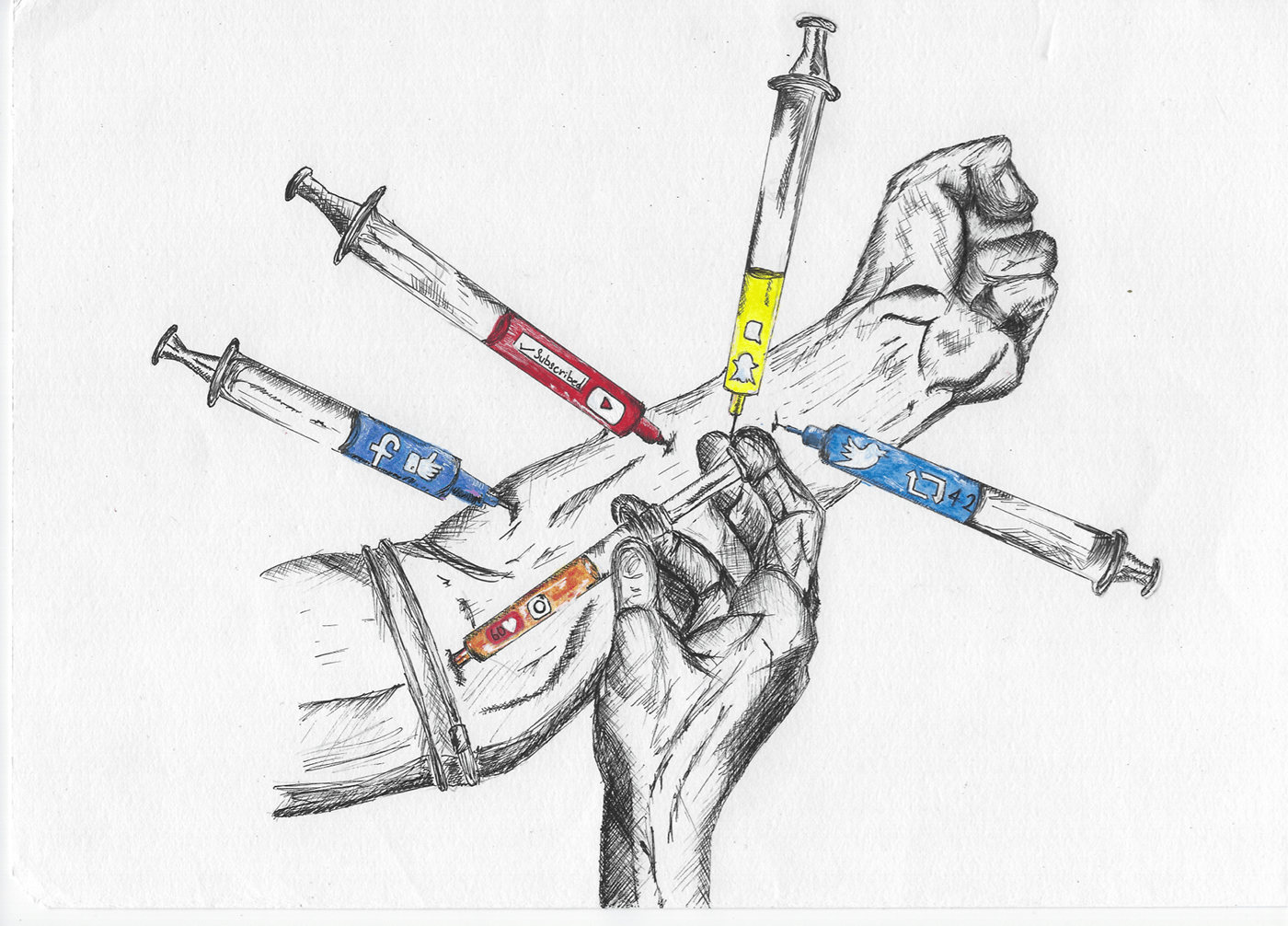





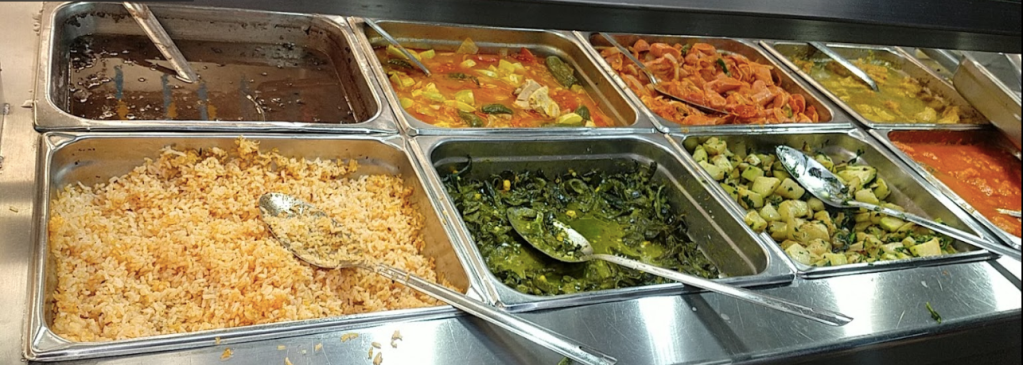

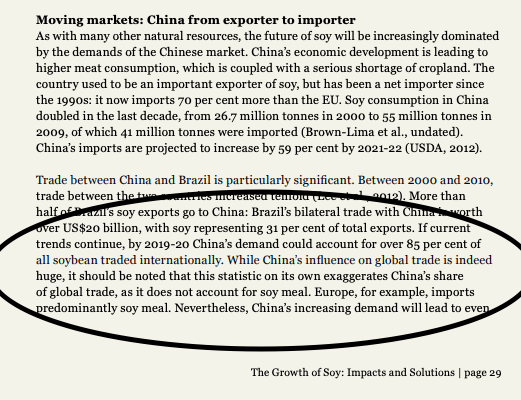
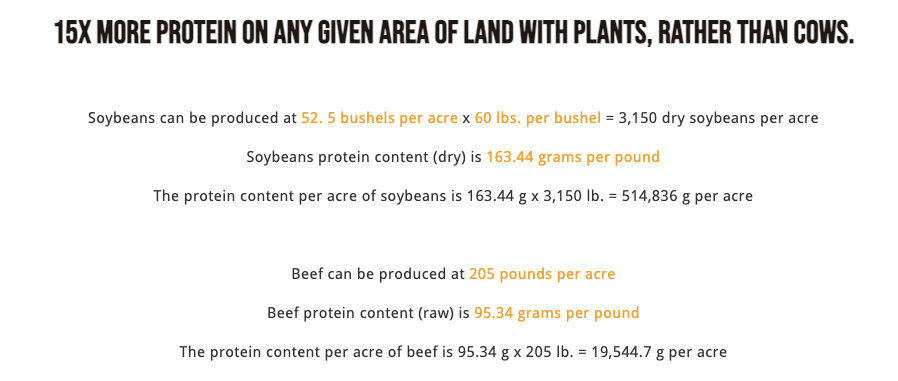
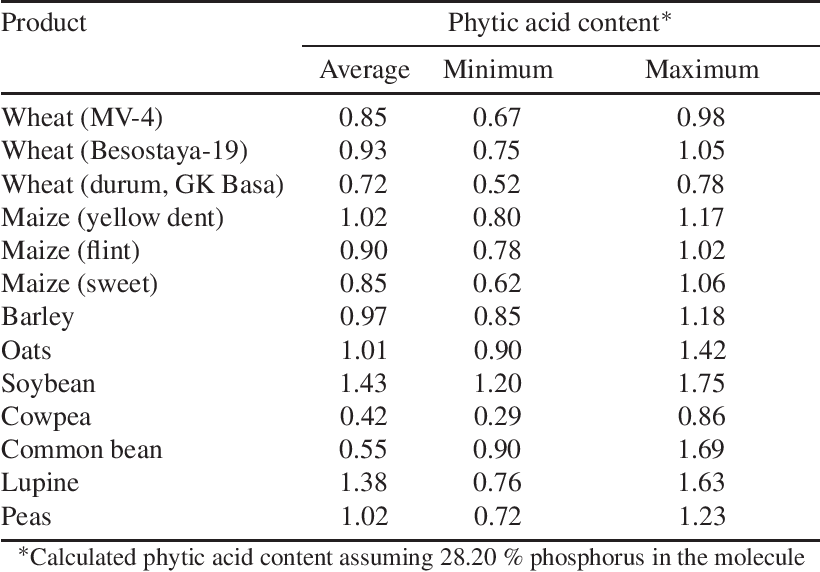
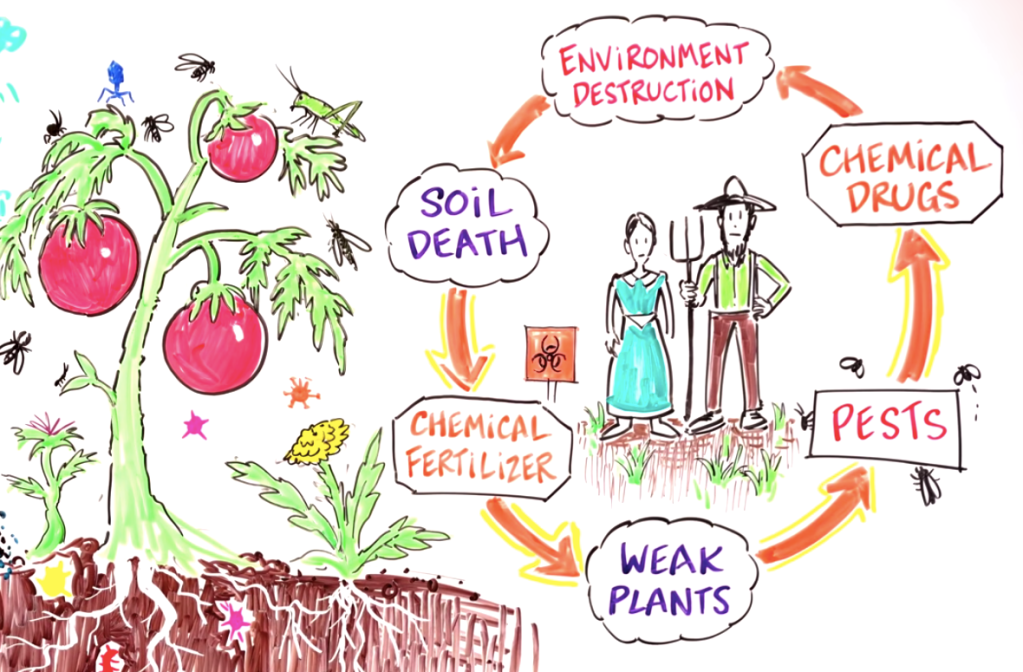




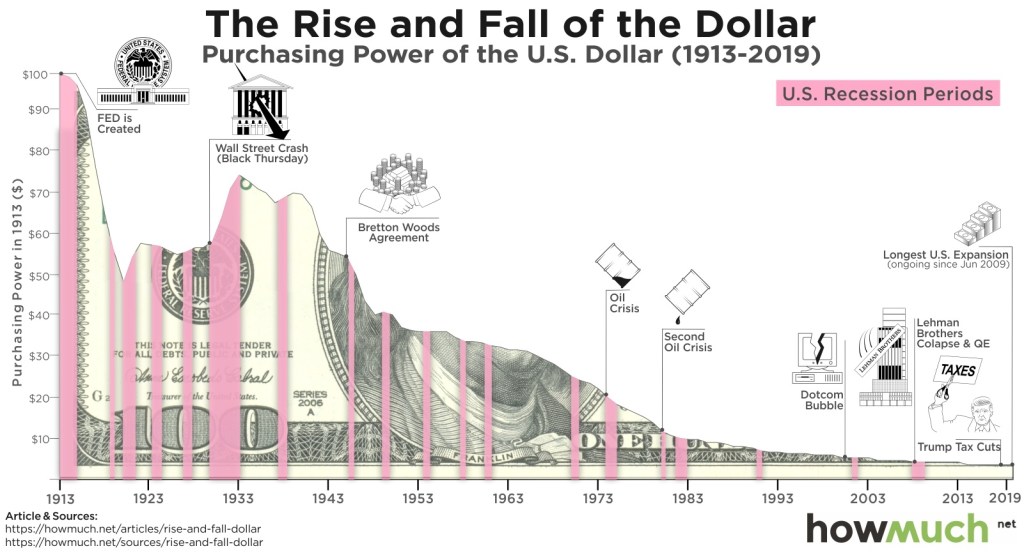

 Conscious Consumption